Step into the serene world of traditional Japanese home entrance design, blending ancient elegance with modern luxury.
Disclosure: This post contains affiliate links. We may earn a commission at no extra cost to you.
Traditional Japanese Home Entrance Design
How can I create a traditional Japanese feel in my home’s entrance area?
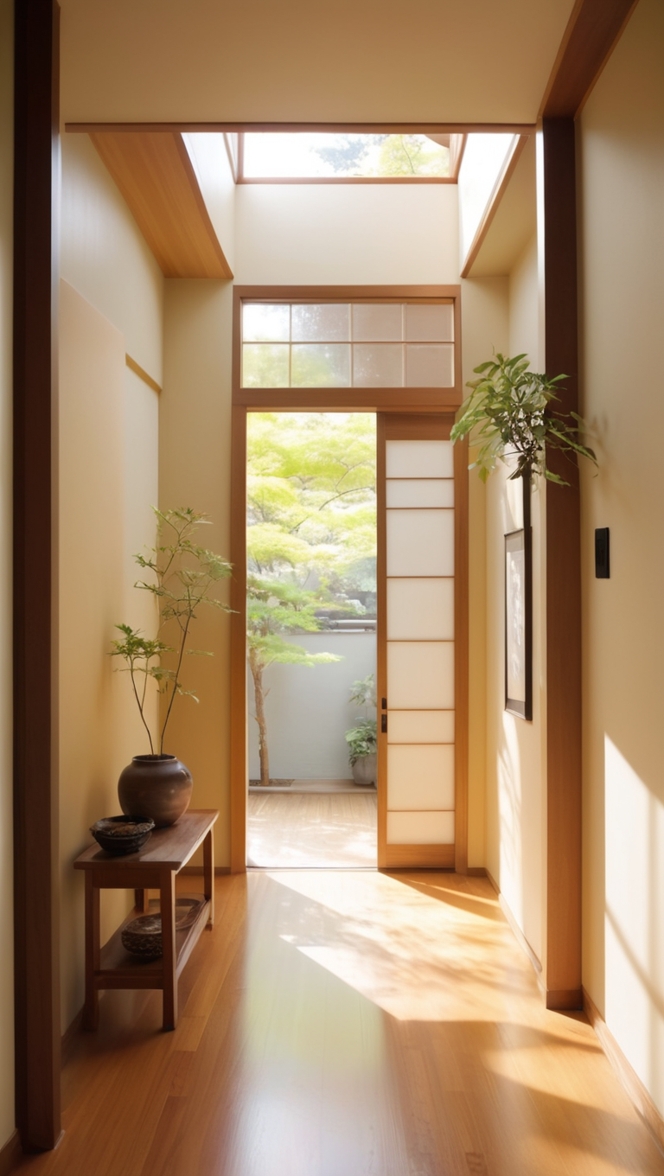
Japanese home entrance design typically features elements such as sliding doors, natural materials like wood and stone, and minimalist aesthetics. To achieve this look, you can consider installing shoji screens, incorporating a genkan (a sunken entry area), adding a small tsukubai (stone water basin), and using simple, clean lines in your decor. This design can help create a tranquil and welcoming atmosphere in your home. Remember to prioritize functionality and declutter the space for a truly authentic Japanese entrance feel.
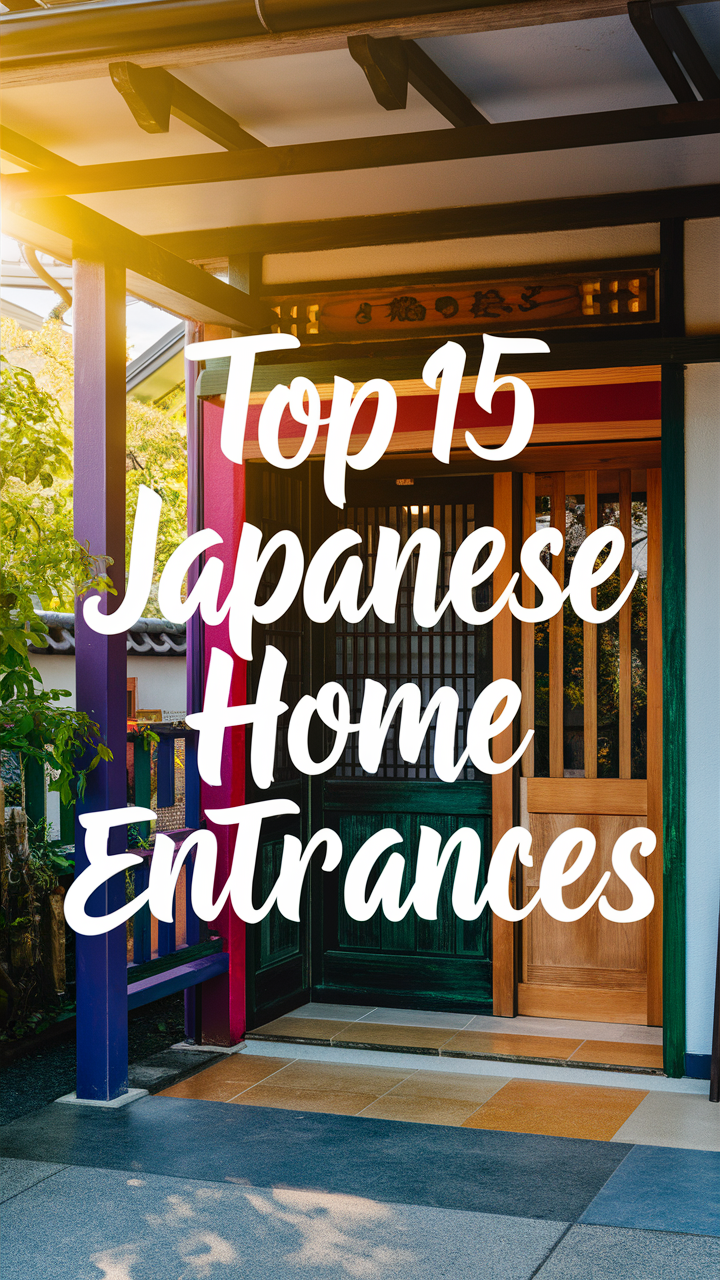
Traditional Japanese Home Entrance Design?
As a homeowner who appreciates the beauty and culture of traditional Japanese architecture, I have always been fascinated by the intricate and thoughtful design of Japanese home entrances. The entrance of a Japanese home is not just a doorway; it is a reflection of the values, traditions, and aesthetics that define Japanese culture. In this article, I will explore the elements, significance, and influences that shape traditional Japanese home entrance design.
What elements are typically found in traditional Japanese home entrance designs?
Traditional Japanese home entrances are characterized by simplicity, elegance, and functionality. One of the most common elements found in these designs is the genkan, a sunken entryway where shoes are removed before entering the main living area. The genkan serves as a transition space between the outside world and the inner sanctum of the home, symbolizing a separation between the public and private spheres.
In addition to the genkan, traditional Japanese home entrances often feature sliding doors, called fusuma, and decorative alcoves, known as tokonoma, where seasonal decorations or art pieces are displayed. Natural materials such as wood, paper, and stone are commonly used in these designs to create a sense of harmony with the surrounding environment.
How does the design of a traditional Japanese home entrance differ from Western counterparts?
Unlike Western homes, where the front door is often a focal point of the exterior, Japanese home entrances are more discreet and understated. The emphasis in Japanese design is on creating a seamless connection between the interior and exterior spaces, blurring the boundaries between the two.
Traditional Japanese home entrances also prioritize functionality and flow, with an emphasis on creating a smooth transition from the outside to the inside. The use of sliding doors and open spaces allows for flexibility and adaptability, enabling homeowners to customize the entrance area to suit their needs.
What cultural significance do entrance designs hold in Japanese homes?
In Japanese culture, the entrance of a home is considered a sacred space that serves as a gateway between the mundane world and the spiritual realm. It is believed that the entrance area is where positive energy, or ki, enters the home, bringing good fortune and protection to the occupants.
The design of the entrance is also influenced by the concept of omotenashi, or hospitality, which emphasizes the importance of creating a welcoming and harmonious environment for guests. Traditional Japanese home entrances are designed to evoke a sense of calm and serenity, inviting visitors to leave their worries and troubles at the door.
Are there any specific rituals or customs associated with entering a traditional Japanese home?
In Japan, there are strict rules and customs that govern how guests should enter a traditional home. Before stepping onto the tatami mats, guests are expected to remove their shoes and put on slippers provided by the host. It is considered disrespectful to walk on the tatami with shoes or slippers worn outside, as this is seen as bringing dirt and negative energy into the home.
Once inside, guests are expected to bow to show respect to the host and the home. The act of bowing is a gesture of humility and gratitude, symbolizing the guest’s appreciation for the hospitality extended to them. These rituals and customs are deeply ingrained in Japanese culture and reflect the importance placed on etiquette, respect, and harmony in social interactions.
How do traditional Japanese home entrance designs incorporate nature and natural materials?
Nature plays a central role in traditional Japanese architecture, and this is evident in the design of home entrances. Natural materials such as wood, stone, and paper are used to create a sense of warmth and connection to the natural world. The use of sliding doors and windows allows for a seamless integration of indoor and outdoor spaces, blurring the boundaries between the two.
In addition to natural materials, traditional Japanese home entrances often feature elements inspired by the natural world, such as bamboo screens, water features, and garden views. These elements help to create a sense of tranquility and serenity, inviting occupants to relax and unwind in a harmonious environment.
What role does minimalism play in traditional Japanese home entrance design?
Minimalism is a key design principle in traditional Japanese architecture, and this is reflected in the design of home entrances. The emphasis is on simplicity, functionality, and uncluttered spaces, with a focus on creating a sense of calm and balance.
Traditional Japanese home entrances are characterized by clean lines, neutral colors, and a lack of unnecessary ornamentation. The use of natural materials, such as wood and stone, helps to create a sense of warmth and texture without overwhelming the space. The minimalist approach to design allows for flexibility and adaptability, enabling homeowners to personalize the entrance area to suit their tastes and preferences.
How have modern influences impacted the design of traditional Japanese home entrances?
While traditional Japanese home entrances have remained true to their roots, modern influences have also made their mark on contemporary designs. Today, homeowners are incorporating elements of Western design, such as larger entryways, bold colors, and modern fixtures, into their traditional Japanese homes.
At the same time, architects and designers are finding innovative ways to reinterpret traditional design principles in a modern context. For example, sliding doors and screens are being used in new and creative ways to create flexible and multifunctional spaces. The integration of technology, such as smart lighting and security systems, is also becoming more common in traditional Japanese home entrances.
In conclusion, the design of a traditional Japanese home entrance is a reflection of the values, traditions, and aesthetics that define Japanese culture. By incorporating elements of nature, minimalism, and hospitality, these entrances create a sense of harmony and tranquility that invites guests to experience the beauty and serenity of Japanese architecture. As a homeowner who values the beauty and simplicity of traditional Japanese design, I am inspired by the timeless elegance and thoughtful craftsmanship that define these unique spaces.

How to Create a Traditional Japanese Feel in Your Home’s Entrance Area
Japanese home entrance design is known for its serene and minimalist aesthetic. To infuse your home’s entrance area with a traditional Japanese feel, consider the following design elements and ideas:
1. Shoji Screens
Install shoji screens at the entrance to create a sense of privacy while allowing natural light to filter through. These traditional Japanese sliding doors add an elegant touch to the space.
2. Genkan
Incorporate a genkan, a sunken entry area traditionally found in Japanese homes. This feature helps keep dirt and debris from entering the main living areas and provides a designated space for removing shoes.
3. Tsukubai
Add a small tsukubai, a stone water basin typically found in Japanese gardens, to the entrance area. This element symbolizes purification and can create a calming ambiance.
4. Natural Materials
Use natural materials like wood and stone in your entrance design to evoke a sense of harmony with nature. Opt for earthy tones and textures to enhance the Japanese aesthetic.
5. Minimalist Decor
Embrace minimalist decor with clean lines and simple furnishings. Avoid clutter and opt for a less-is-more approach to create a sense of tranquility in the entrance area.
6. Paper Lanterns
Hang paper lanterns or pendant lights in the entrance area to add a warm, soft glow to the space. These traditional Japanese lanterns can create a cozy and inviting atmosphere.
7. Bamboo Accents
Incorporate bamboo accents such as mats, baskets, or decorative pieces to bring a touch of nature indoors. Bamboo is a versatile and sustainable material that adds a natural element to the design.
8. Sliding Doors
Consider replacing traditional doors with sliding doors to maximize space and create a seamless transition between the entrance and other areas of the home. Sliding doors are a hallmark of Japanese design.
9. Zen Garden
Create a small Zen garden in the entrance area with rocks, sand, and minimal greenery. This tranquil space can serve as a focal point and evoke a sense of calm and balance.
10. Tatami Flooring
Opt for tatami flooring, traditional Japanese straw mats, in the entrance area for an authentic touch. Tatami mats are comfortable to walk on and add warmth to the space.
11. Ikebana Arrangement
Display an ikebana arrangement, a traditional Japanese art of flower arranging, in the entrance area. This minimalist and harmonious floral display can enhance the aesthetic of the space.
12. Wabi-Sabi Elements
Incorporate wabi-sabi elements such as imperfection, simplicity, and natural beauty in your entrance design. Embrace the beauty of aging materials and embrace the concept of finding beauty in imperfection.
By incorporating these traditional Japanese design elements and ideas into your home’s entrance area, you can create a serene and welcoming space that reflects the beauty and simplicity of Japanese aesthetics.