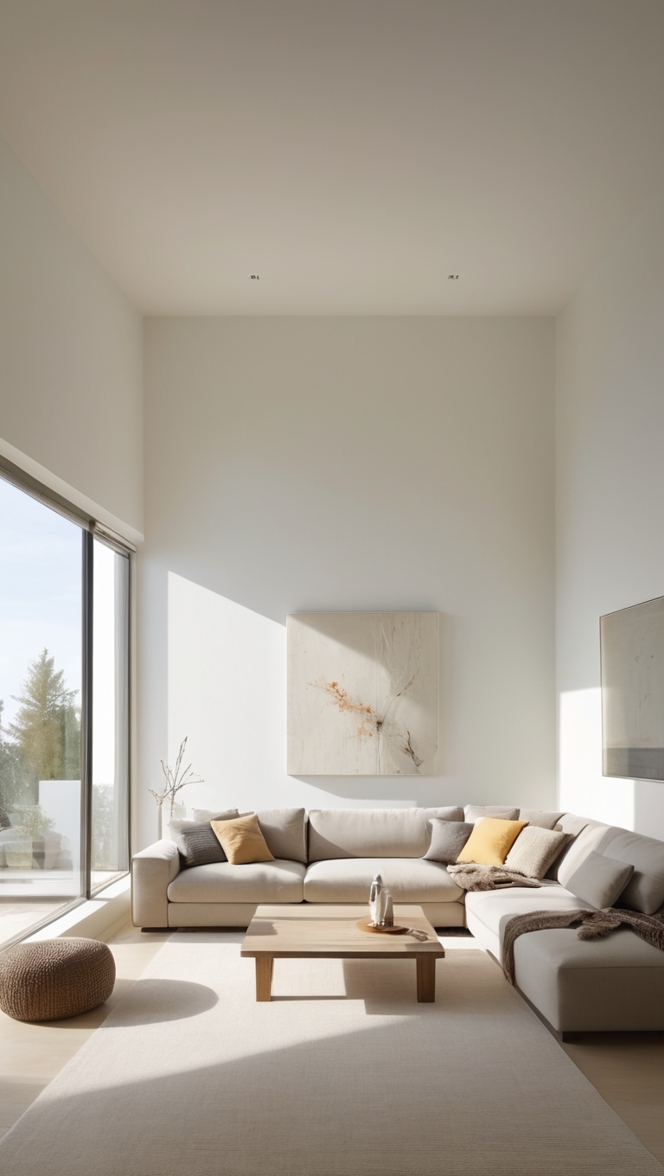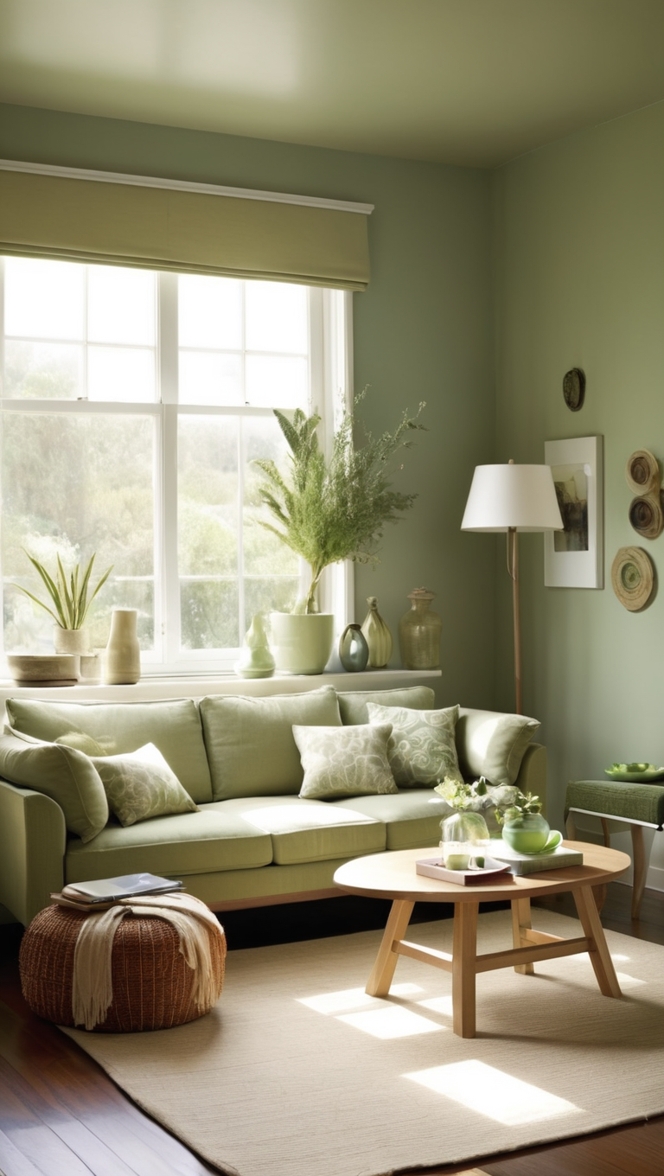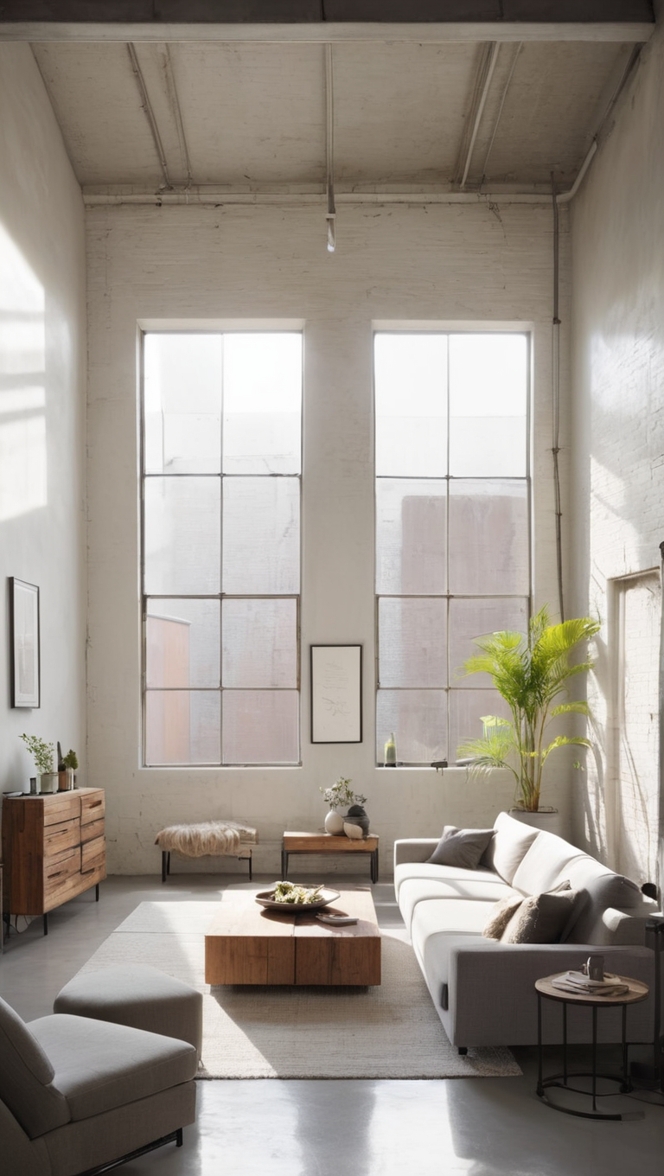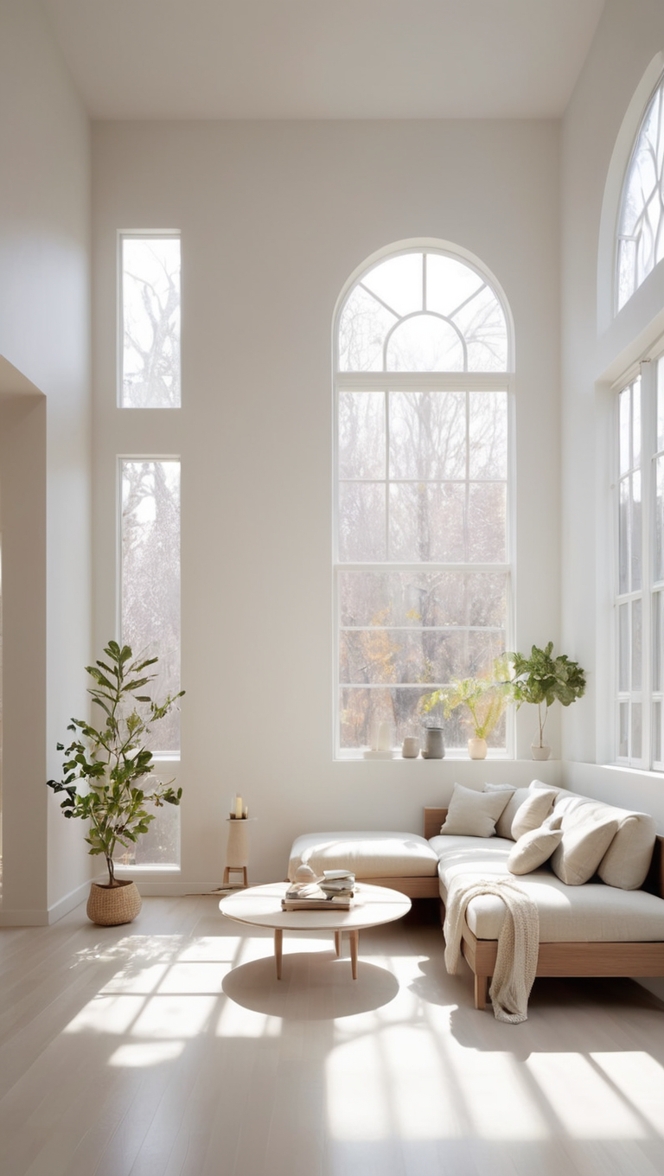
Keen to know how Japanese style furniture, minimalist interior design, and neutral color palettes create a modern Japanese minimalist living room?
Disclosure: This post contains affiliate links. We may earn a commission at no extra cost to you.
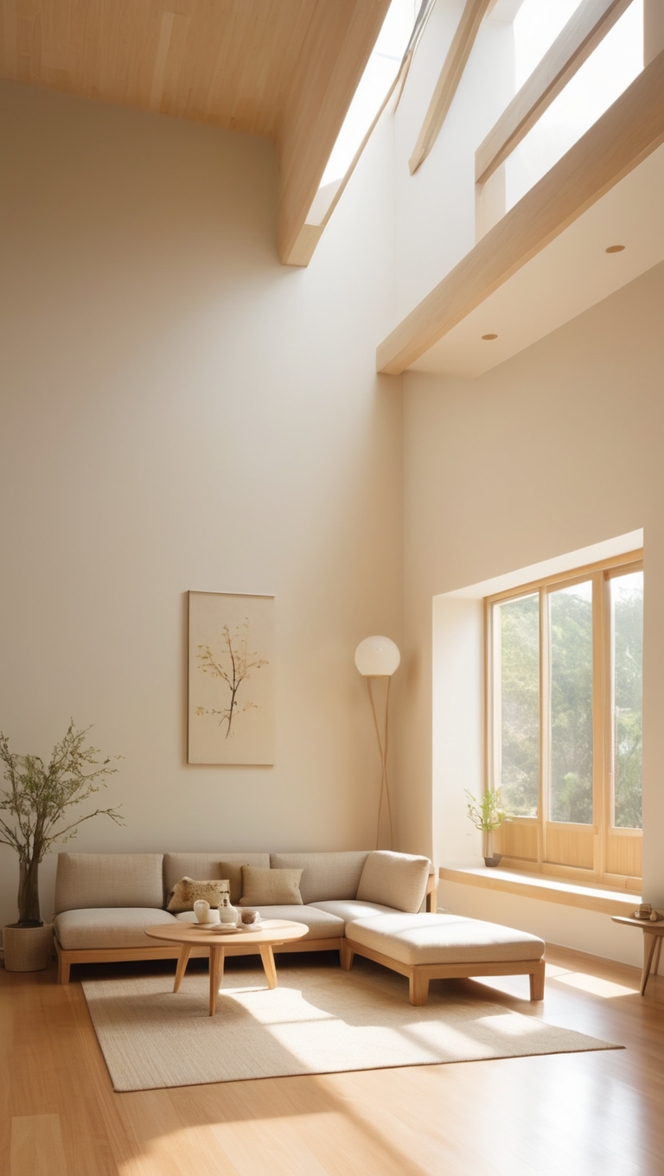
Japanese minimalist living rooms typically include a few key elements such as clean lines, simple furniture, natural materials like wood and bamboo, neutral color palettes, and plenty of natural light. These elements create a serene and calming space that promotes relaxation and mindfulness. To achieve this style in your own home, you can start by decluttering and only keeping the essentials, investing in high-quality pieces that serve multiple functions, incorporating plants for a touch of nature, and ensuring good lighting. By following these steps, you can create a peaceful and harmonious living room that reflects the principles of Japanese minimalism.
What are the key elements of a Japanese minimalist living room?
As a homeowner who appreciates simplicity and tranquility in interior design, I have always been drawn to the concept of Japanese minimalist living rooms. The clean lines, neutral color palettes, and emphasis on natural elements create a sense of calm and serenity that is truly unique. In this article, we will explore the key elements that make up a Japanese minimalist living room and how they contribute to creating a peaceful and harmonious space.
1. How important is simplicity in a Japanese minimalist living room design?
Simplicity is at the core of Japanese minimalist design philosophy. In a Japanese minimalist living room, less is definitely more. Clutter is minimized, and every element in the room serves a purpose. Clean lines, uncluttered spaces, and a focus on functionality are key aspects of this design style. By keeping the space simple and unadorned, a Japanese minimalist living room creates a sense of openness and tranquility.
2. What role does natural light play in creating a Japanese minimalist living room atmosphere?
Natural light is essential in a Japanese minimalist living room. Large windows, sliding doors, and skylights are often used to bring in as much natural light as possible. This not only creates a bright and airy atmosphere but also helps to connect the indoors with the outdoors. Natural light is also a key element in highlighting the simplicity and beauty of the design elements in the room.
3. How do Japanese minimalist living rooms incorporate elements of nature?
Japanese minimalist living rooms often incorporate elements of nature such as wood, stone, and plants. These natural elements bring a sense of warmth and tranquility to the space. Wooden furniture, stone accents, and indoor plants are commonly used to create a connection to the natural world and enhance the overall sense of calm and serenity.
4. What are the typical color schemes used in Japanese minimalist living room designs?
The color palette in a Japanese minimalist living room is usually neutral and subdued. Whites, beiges, grays, and earth tones are commonly used to create a sense of simplicity and harmony. These colors help to create a peaceful and unobtrusive backdrop that allows other design elements to shine.
5. How do Japanese minimalist living rooms utilize space efficiently?
Efficient use of space is a key aspect of Japanese minimalist design. Furniture is often low to the ground and multi-functional to maximize space. Built-in storage solutions and minimalistic decor help to keep the space uncluttered and organized. By carefully considering the layout and functionality of the room, Japanese minimalist living rooms are able to create a sense of spaciousness and calm.
6. What furniture pieces are essential in a Japanese minimalist living room?
In a Japanese minimalist living room, furniture is kept simple and functional. Low-slung sofas, floor cushions, and minimalist coffee tables are common choices. Natural materials such as wood and bamboo are often used to create a sense of warmth and connection to nature. The focus is on quality over quantity, with each piece of furniture carefully selected to enhance the overall design aesthetic.
7. How do Japanese minimalist living rooms evoke a sense of calm and tranquility?
Japanese minimalist living rooms are designed to evoke a sense of calm and tranquility through their simple and uncluttered design. By using natural elements, neutral colors, and efficient use of space, these rooms create a peaceful and harmonious atmosphere. The emphasis on simplicity, functionality, and connection to nature helps to foster a sense of serenity and well-being in the space.
By incorporating these key elements into your own living room design, you can create a space that is not only beautiful and stylish but also peaceful and harmonious. Embracing the principles of Japanese minimalist design can help you create a space that is a true sanctuary from the chaos of the outside world.
12 Unique Ideas for Creating a Japanese Minimalist Living Room
Japanese minimalist living rooms are known for their clean and serene aesthetic that promotes relaxation and mindfulness. To achieve this style in your own home, consider incorporating the following 12 unique ideas:
1. Neutral Color Palette
Opt for colors like white, beige, grey, and soft earth tones to create a calming atmosphere in your living room. Consider using paint colors like Sherwin Williams “Alabaster” or Benjamin Moore “Revere Pewter” for a minimalist look.
2. Clean Lines
Choose furniture with simple and straight lines to maintain a clean and uncluttered appearance. Look for pieces made of natural materials like wood or bamboo for an authentic Japanese feel.
3. Multifunctional Furniture
Invest in furniture that serves multiple purposes, such as a storage ottoman or a coffee table with built-in storage. This will help you maximize space and reduce clutter in your living room.
4. Minimal Decor
Avoid overdecorating your living room and opt for a minimalist approach. Choose a few carefully curated pieces of art or decor items to enhance the space without overwhelming it.
5. Shoji Screens
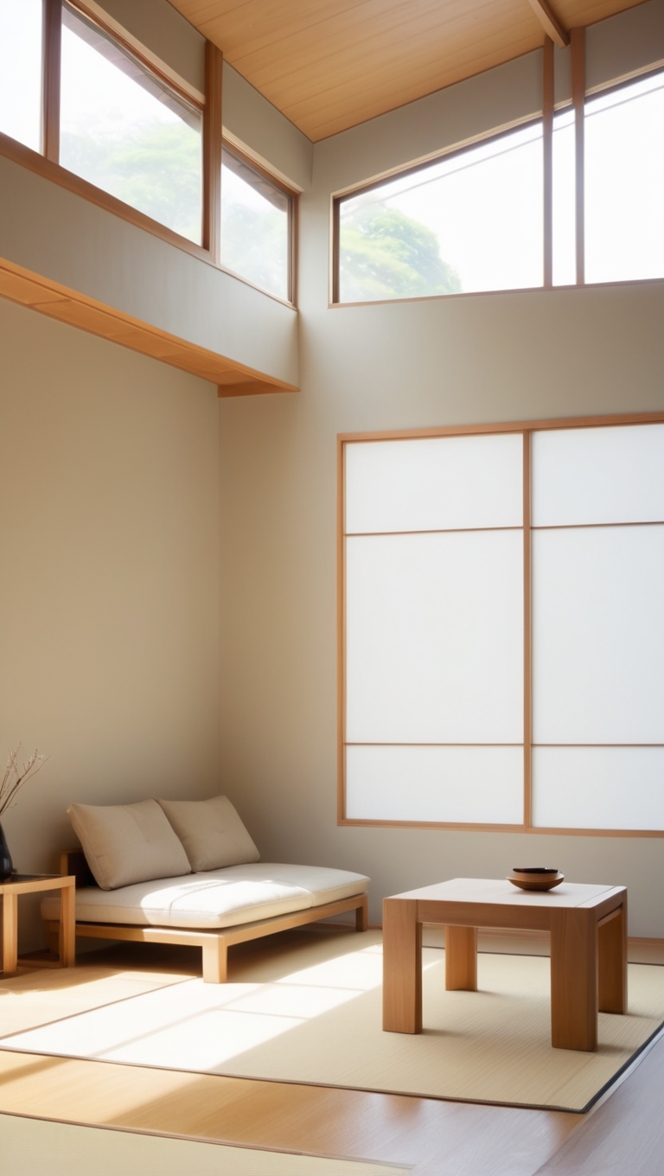
Incorporate traditional Japanese shoji screens to divide the space or add a touch of authenticity to your living room. These screens can also help diffuse natural light and create a soft ambiance.
6. Tatami Mats
Add tatami mats to your living room floor for a traditional Japanese touch. These mats are made of natural materials and provide a comfortable and soft surface for sitting or lounging.
7. Indoor Plants
Bring nature indoors by adding a few plants to your living room. Choose low-maintenance varieties like peace lilies or snake plants to create a sense of tranquility and freshness.
8. Paper Lanterns
Hang paper lanterns from the ceiling to create a warm and inviting glow in your living room. These lanterns can add a touch of whimsy and playfulness to the space.
9. Zen Garden
Create a mini zen garden in a corner of your living room with sand, rocks, and a few small plants. This peaceful and meditative space can help you unwind and relax after a long day.
10. Natural Light
Maximize natural light in your living room by keeping windows unobstructed and using sheer curtains to let in sunlight. Natural light can enhance the minimalist aesthetic and create a bright and airy atmosphere.
11. Floor Pillows
Replace traditional furniture with floor pillows for a casual and relaxed seating option in your living room. Floor pillows can be easily stored away when not in use and add a cozy element to the space.
12. Minimalist Artwork
Choose simple and understated artwork for your living room walls to maintain a minimalist look. Consider black and white photography or abstract paintings to complement the clean lines and neutral palette of the space.
By incorporating these 12 unique ideas, you can create a Japanese minimalist living room that exudes tranquility and simplicity. Embrace the principles of Japanese minimalism in your home and create a harmonious space that promotes relaxation and mindfulness.