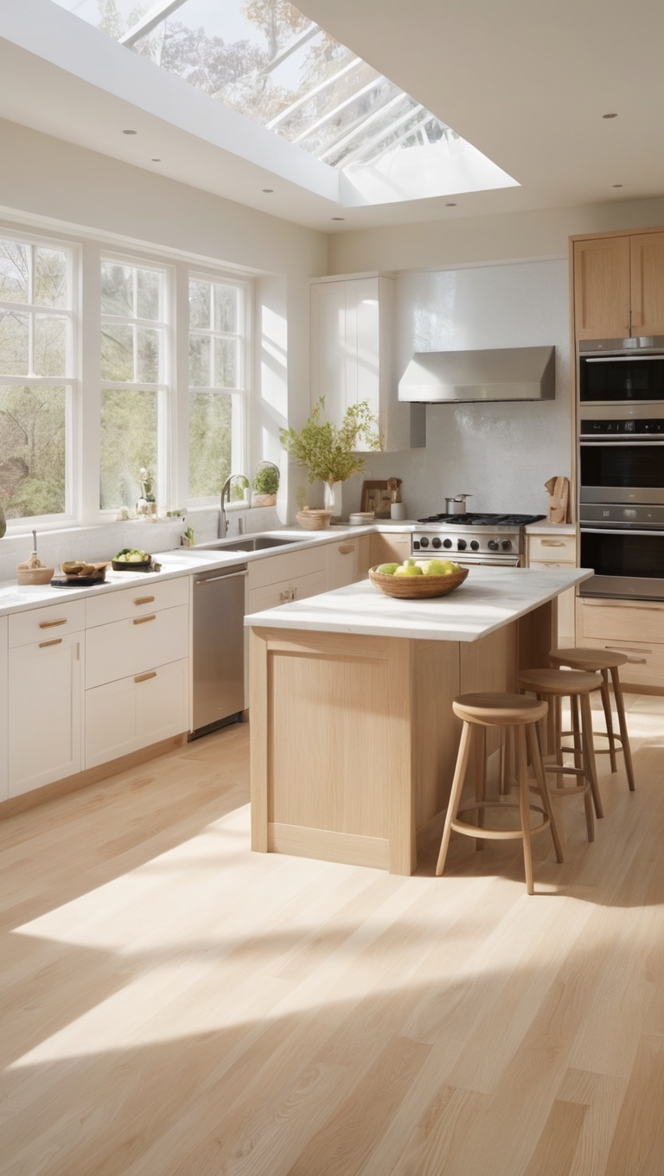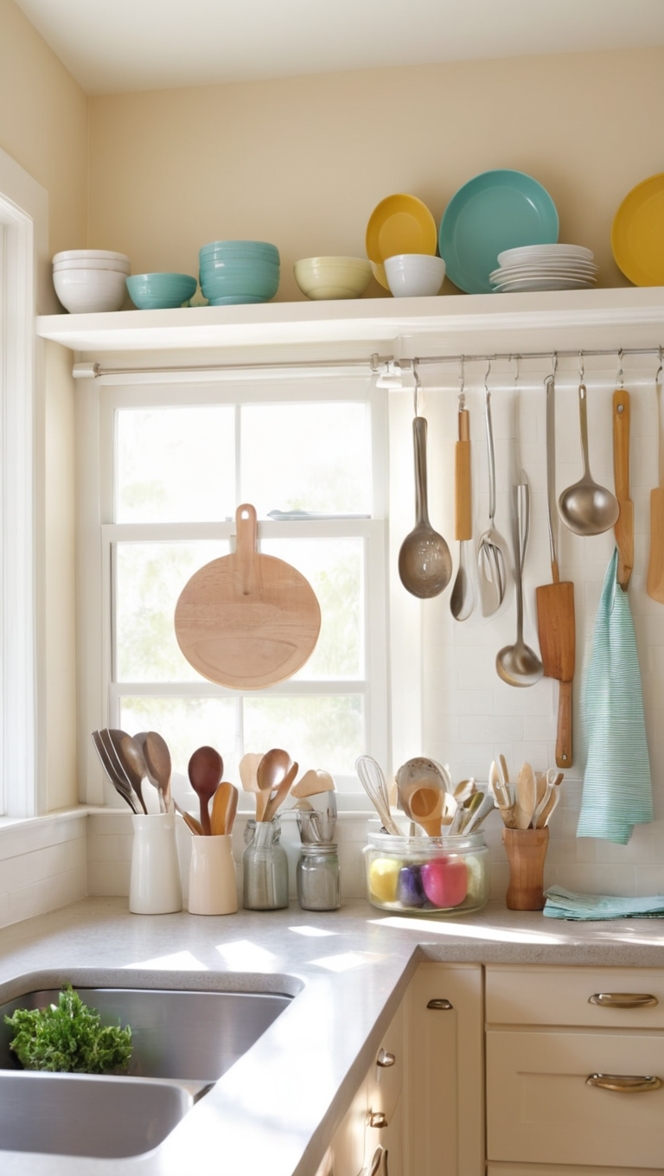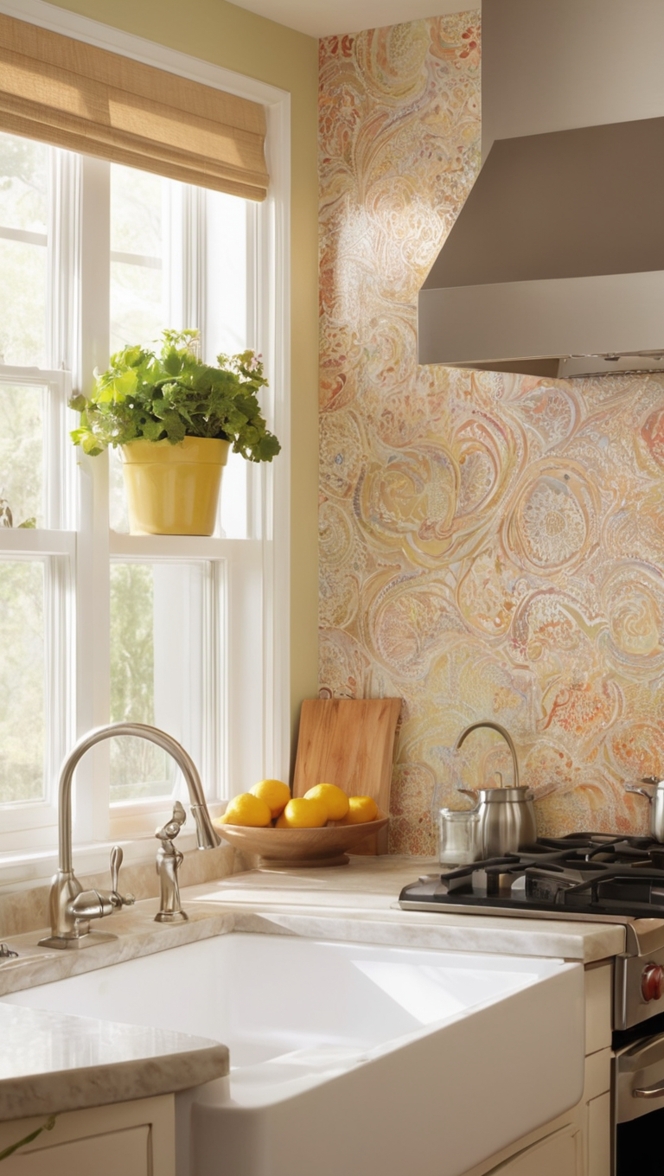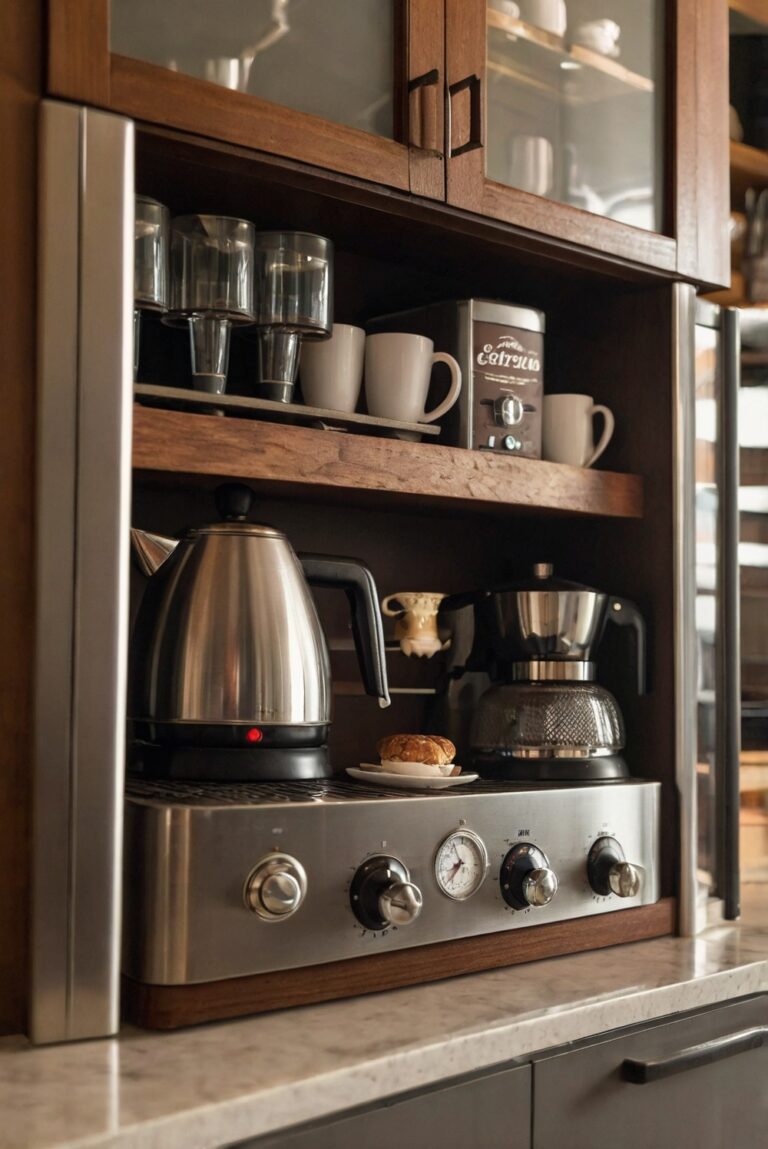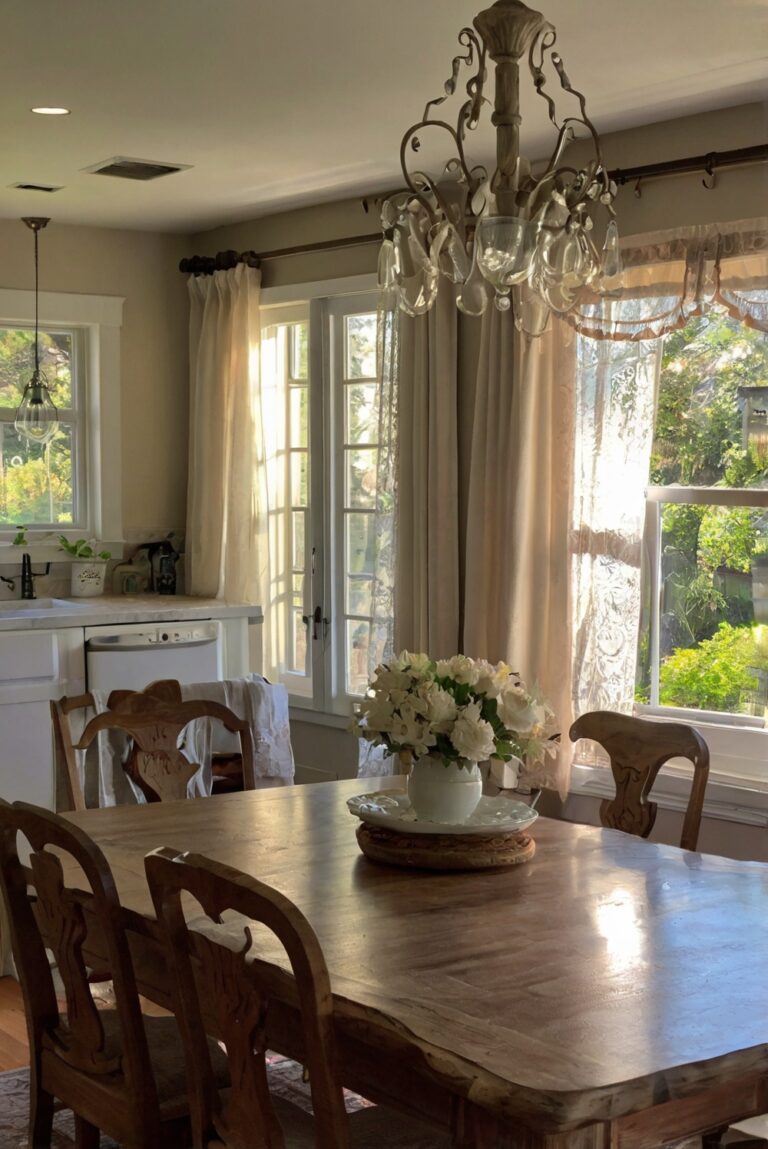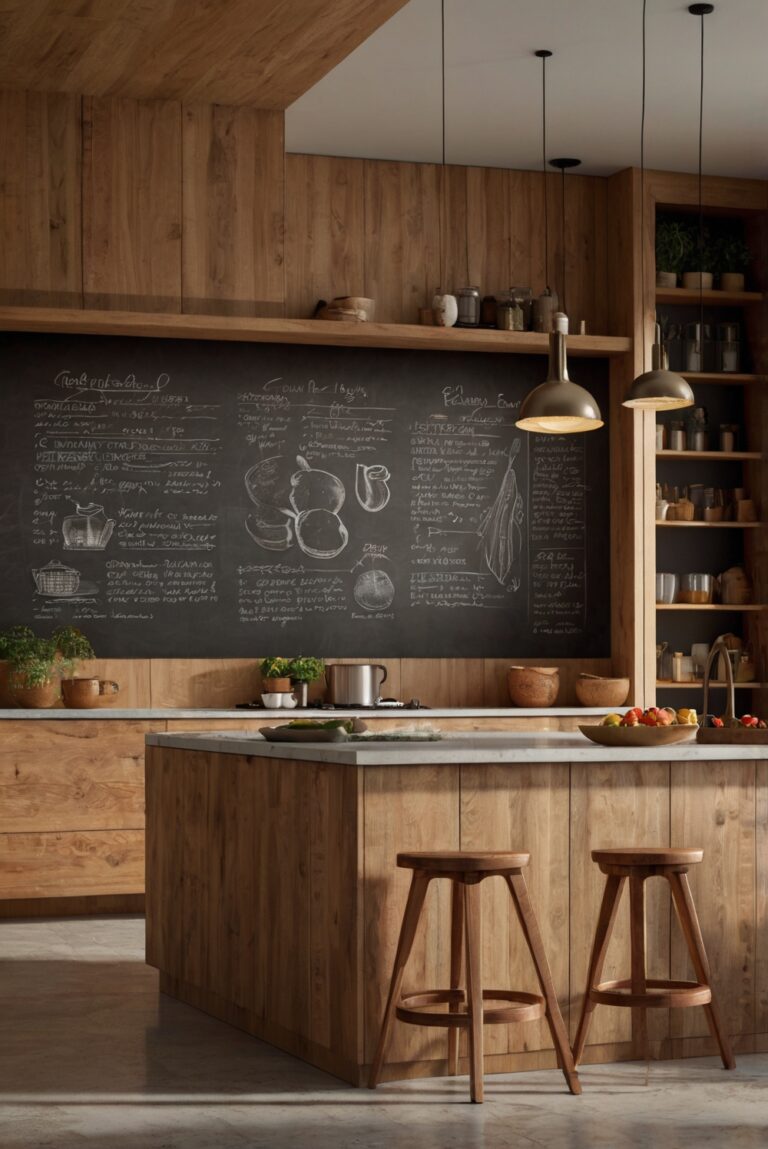
Exploring the charm of Tuscan kitchen decor: Mixing rustic farmhouse with modern lighting enhances vintage appeal.
Disclosure: This post contains affiliate links. We may earn a commission at no extra cost to you.
What are the key features of an Italian farmhouse kitchen?
**Italian Farmhouse Kitchen**
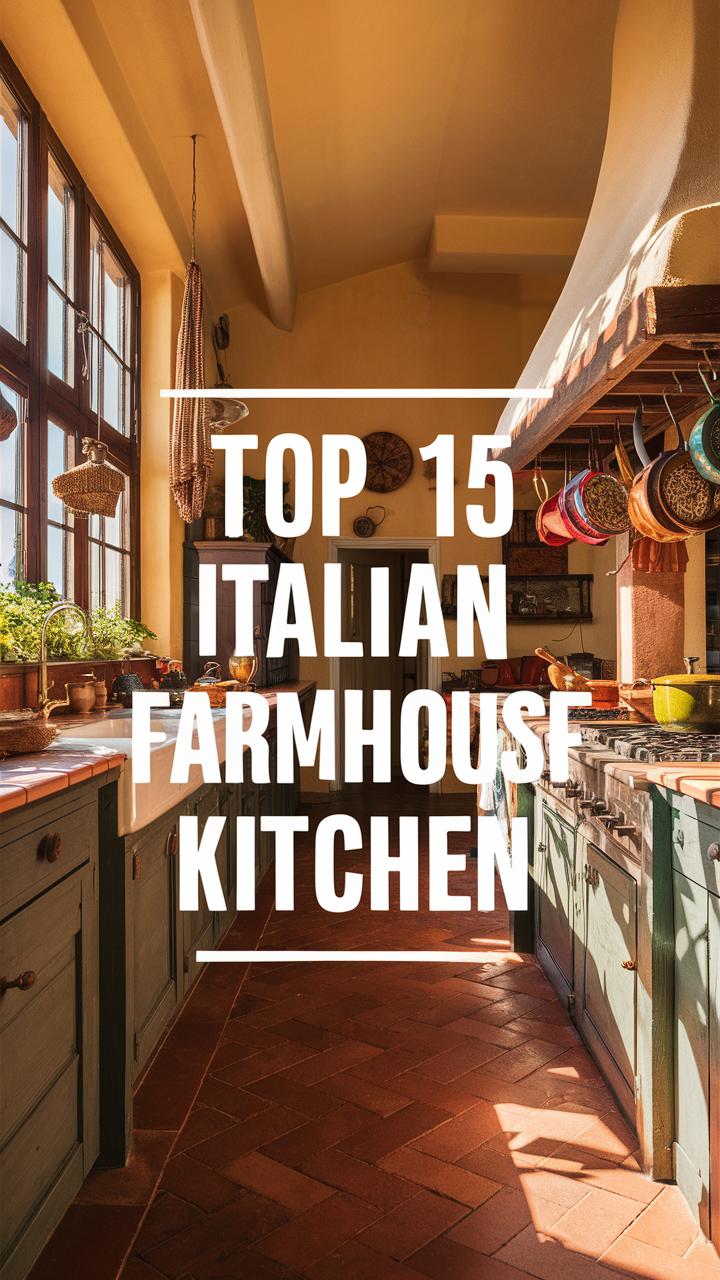
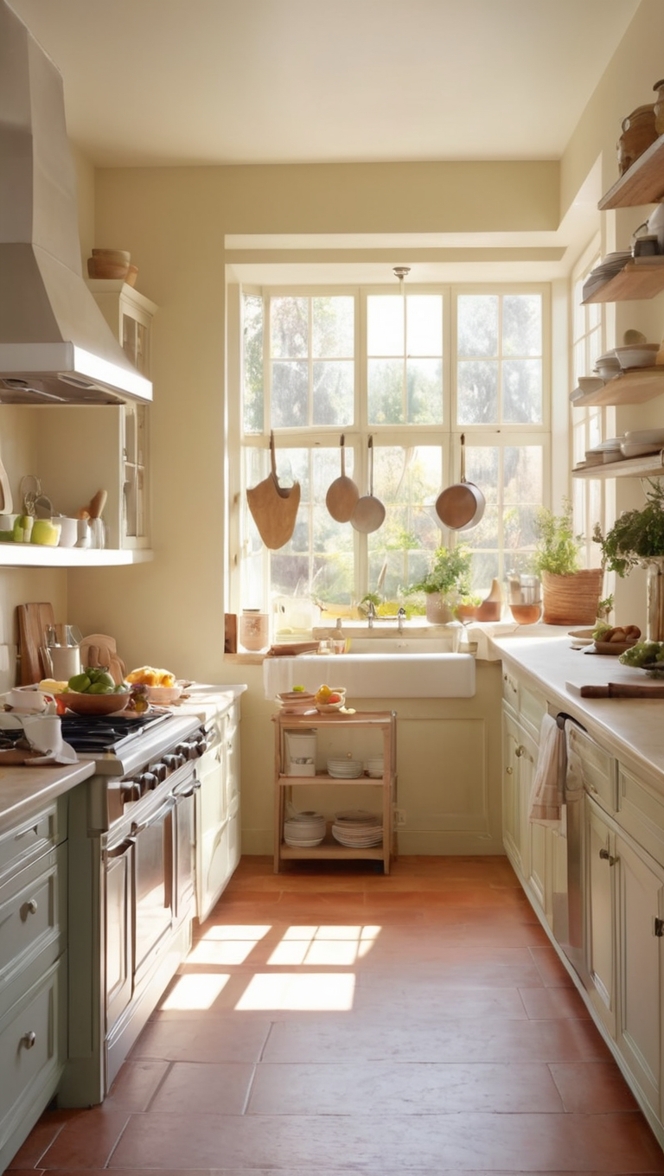
An Italian farmhouse kitchen typically features a blend of rustic and traditional elements. It combines natural materials like wood and stone with warm colors and earthy tones to create a cozy and inviting space. The key features include open shelving, a large farmhouse sink, exposed wooden beams, stone flooring, and a traditional wood-burning stove. Adding vintage Italian ceramics and textiles can enhance the authentic look of the kitchen.
When designing an Italian farmhouse kitchen, it’s important to consider the layout to maximize functionality and storage. Careful attention to detail in selecting materials and finishes can help achieve the desired aesthetic. Maintaining cleanliness and organization is crucial to preserving the charm of the space.
**Benefits:**
– Creates a warm and welcoming atmosphere
– Incorporates natural elements for a timeless look
– Allows for customization to suit personal style
**Risks:**
– Potential cost of renovation and high-quality materials
– Requires regular maintenance to keep the space looking its best
What are the key features of an Italian farmhouse kitchen?
As a homeowner who has always been fascinated by the charm and character of Italian farmhouse kitchens, I decided to delve deeper into what makes this style so unique and appealing. Let’s explore the key features that set Italian farmhouse kitchens apart from other kitchen styles.
1. What sets Italian farmhouse kitchens apart from other kitchen styles?
Italian farmhouse kitchens are known for their warm, inviting atmosphere and traditional design elements. Unlike modern kitchens that often focus on sleek lines and minimalism, Italian farmhouse kitchens embrace a more rustic and cozy aesthetic. The use of natural materials, earthy colors, and vintage-inspired decor creates a sense of nostalgia and homeliness that is hard to replicate in other kitchen styles.
2. How do Italian farmhouse kitchens incorporate rustic elements?
Rustic elements are integral to the design of Italian farmhouse kitchens. Exposed wooden beams, reclaimed wood flooring, and distressed furniture are commonly found in these kitchens, adding a sense of history and authenticity. Decorative elements such as wrought iron light fixtures, vintage pottery, and handmade textiles further enhance the rustic charm of Italian farmhouse kitchens.
3. What role does natural light play in an Italian farmhouse kitchen?
Natural light is a key feature of Italian farmhouse kitchens, as it helps create a bright and airy space that feels welcoming and spacious. Large windows, skylights, and glass doors are often incorporated into the design to maximize natural light and provide views of the surrounding countryside. This not only enhances the aesthetic appeal of the kitchen but also makes it a more pleasant and functional space for cooking and entertaining.
4. How are traditional Italian cooking techniques reflected in the design of farmhouse kitchens?
Italian farmhouse kitchens are designed with traditional cooking techniques in mind, with a focus on functionality and practicality. Features such as a large farmhouse sink, open shelving for easy access to cooking essentials, and a spacious work surface for food preparation reflect the importance of cooking as a central activity in Italian culture. The layout and design of the kitchen are carefully thought out to optimize workflow and efficiency, making it easier for homeowners to enjoy the art of Italian cooking.
5. What are the common color schemes used in Italian farmhouse kitchens?
The color palette of Italian farmhouse kitchens is inspired by the natural beauty of the Italian countryside. Earthy tones such as terracotta, olive green, and warm beige are commonly used to create a cozy and inviting atmosphere. Accents of rich red, deep blue, and sunflower yellow are often incorporated to add a pop of color and personality to the space. These colors evoke the warmth and vibrancy of Italy, making the kitchen a truly special place to gather and create memories.
6. How do Italian farmhouse kitchens prioritize functionality while maintaining aesthetic appeal?
Italian farmhouse kitchens are designed to be both functional and beautiful, striking a balance between practicality and aesthetics. Ample storage space, efficient layouts, and high-quality appliances ensure that the kitchen is a joy to work in, while decorative elements such as hand-painted tiles, vintage hardware, and ornate lighting fixtures add a touch of elegance and charm. The seamless integration of form and function is what makes Italian farmhouse kitchens so appealing to homeowners who value both style and usability.
7. What materials are commonly used in the construction of Italian farmhouse kitchen countertops and cabinetry?
The materials used in Italian farmhouse kitchens are chosen for their durability, authenticity, and timeless appeal. Wood is a primary material for countertops and cabinetry, with options such as reclaimed oak, chestnut, and walnut being popular choices. Stone, such as marble or soapstone, is also commonly used for countertops, adding a touch of luxury and sophistication to the kitchen. Metal accents in the form of wrought iron hardware or copper fixtures can be found throughout the space, complementing the natural materials and enhancing the overall design aesthetic.
As a homeowner who appreciates the beauty and charm of Italian farmhouse kitchens, I have come to understand the key features that make this style so special. From the rustic elements and natural light to the traditional cooking techniques and color schemes, Italian farmhouse kitchens embody a sense of warmth, history, and tradition that is truly timeless. By incorporating these design elements into my own kitchen, I hope to create a space that not only looks beautiful but also feels like a welcoming retreat where I can enjoy cooking, entertaining, and making memories with family and friends.
**12 Unique Long-Tail Keywords for an Italian Farmhouse Kitchen**
1. Rustic Italian farmhouse kitchen design ideas
2. Best paint colors for an Italian farmhouse kitchen
3. Traditional elements in an Italian farmhouse kitchen
4. How to incorporate vintage Italian ceramics in the kitchen
5. Maximizing storage in an Italian farmhouse kitchen layout
6. Italian farmhouse kitchen renovation costs and considerations
7. Maintaining the charm of an Italian farmhouse kitchen
8. Authentic Italian textiles for kitchen decor
9. Creating a cozy atmosphere in an Italian farmhouse kitchen
10. Timeless materials for an Italian farmhouse kitchen
11. Customization options for an Italian farmhouse kitchen
12. Tips for organizing and cleaning an Italian farmhouse kitchen
**Italian Farmhouse Kitchen: A Blend of Rustic Elegance**
An Italian farmhouse kitchen exudes a unique charm that combines rustic elements with traditional elegance. From the warm hues of natural wood to the sturdy stone flooring, every detail in an Italian farmhouse kitchen tells a story of heritage and authenticity. Let’s delve into the key features that make this style so captivating and explore how you can bring a touch of Italy into your own kitchen.
**Open Shelving and Vintage Ceramics: Embracing Italian Tradition**
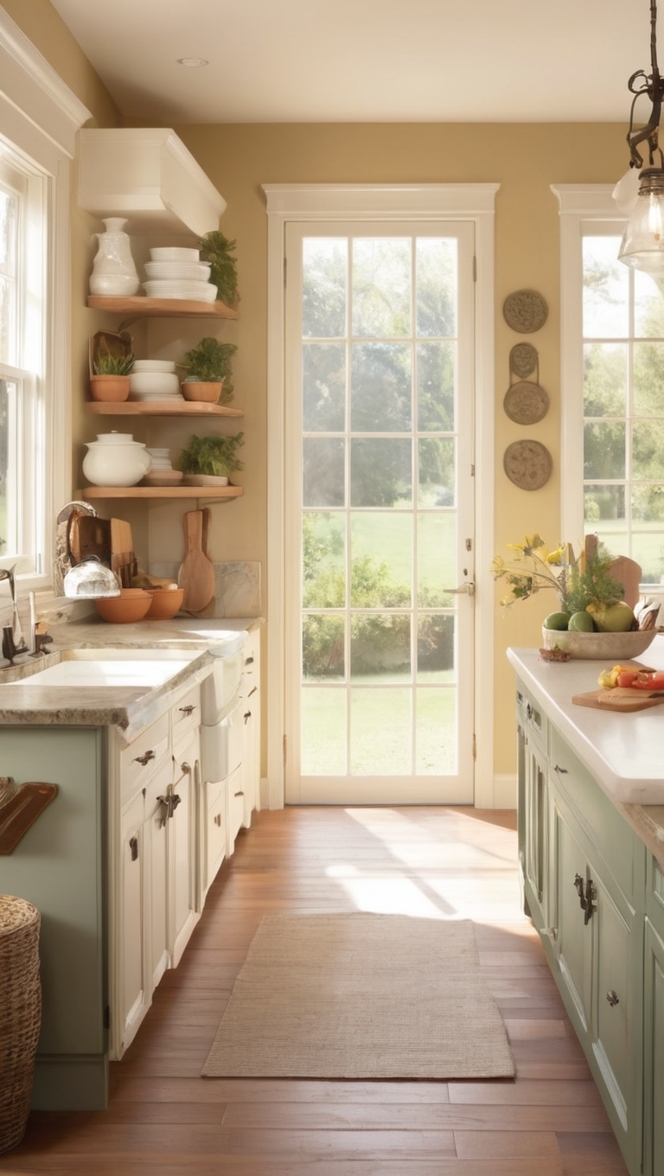
One of the defining features of an Italian farmhouse kitchen is the use of open shelving to display cherished items and vintage ceramics. These shelves not only add a decorative element to the space but also provide easy access to everyday essentials. Imagine showcasing a collection of hand-painted Italian plates or vintage glassware on these shelves, adding a touch of old-world charm to your kitchen.
When it comes to choosing paint colors for your Italian farmhouse kitchen, opt for warm and earthy tones that complement the natural materials used in the space. Consider hues like Tuscan Sun (SW 9138) or Tawny Port (SW 6321) to create a cozy and inviting atmosphere that reflects the warmth of Italian farmhouse kitchens.
**Maximizing Storage and Maintaining Authenticity**
While the design of an Italian farmhouse kitchen may seem simple and straightforward, careful consideration must be given to maximizing storage and functionality. Incorporating elements like a large farmhouse sink, exposed wooden beams, and a traditional wood-burning stove can enhance the authenticity of the space while providing practical benefits.
When planning a renovation for your Italian farmhouse kitchen, be prepared for potential costs associated with high-quality materials and craftsmanship. Investing in durable finishes and timeless elements will ensure that your kitchen maintains its charm for years to come. Regular maintenance and organization are also key to preserving the authenticity of an Italian farmhouse kitchen and keeping it looking its best.
**Incorporating Traditional Textiles and Customization**
To add a personal touch to your Italian farmhouse kitchen, consider incorporating traditional Italian textiles into the decor. From colorful table linens to handwoven rugs, these textiles can infuse your kitchen with a sense of history and heritage. Mix and match patterns and textures to create a unique look that reflects your style and personality.
Customization options are plentiful when it comes to designing an Italian farmhouse kitchen. Whether you prefer a more modern twist on the traditional style or want to stay true to its rustic roots, there are endless possibilities for creating a space that suits your taste. Experiment with different materials, finishes, and layouts to find the perfect balance between functionality and aesthetics.
**Conclusion**
Designing an Italian farmhouse kitchen is a labor of love that requires attention to detail and a deep appreciation for tradition. By embracing the key features of this style, such as open shelving, vintage ceramics, and warm colors, you can create a space that exudes rustic elegance and timeless charm. Remember to consider storage options, maintenance needs, and customization possibilities to make your Italian farmhouse kitchen truly your own. With the right design choices and a touch of creativity, you can transform your kitchen into a cozy retreat that captures the essence of Italy’s rich culinary heritage.