Discover how to maximize your color palette in ibispaint through effective digital painting techniques and color theory.
Disclosure: This post contains affiliate links. We may earn a commission at no extra cost to you.
**What are the best techniques for using the color palette in ibispaint?**
Using the color palette in ibispaint effectively involves selecting complementary colors, experimenting with different shades and tones, and maintaining a cohesive color scheme throughout your artwork. It is important to consider color theory principles such as color harmony and contrast to create visually appealing designs. Additionally, taking the time to plan your color palette beforehand and organizing your colors in a systematic way can help streamline the painting process.
Incorporating a variety of colors can add depth and vibrancy to your artwork. Remember to balance warm and cool tones, and be mindful of color combinations that work well together to achieve a harmonious look.
—
**color palette ibispaint**
Using the color palette in ibispaint effectively involves selecting complementary colors, experimenting with different shades and tones, and maintaining a cohesive color scheme throughout your artwork. It is important to consider color theory principles such as color harmony and contrast to create visually appealing designs. Additionally, taking the time to plan your color palette beforehand and organizing your colors in a systematic way can help streamline the painting process.
## What are the best techniques for using the color palette in ibispaint?
As a homeowner who enjoys experimenting with different colors and designs, I have found that utilizing the color palette in ibispaint can greatly enhance the visual appeal of my artwork. Whether I’m creating digital paintings, illustrations, or designs for my home décor, understanding the best techniques for using the color palette in ibispaint has been crucial. Here are some insights based on my personal experiences and experiments:
### Choosing the Right Color Scheme
One of the key aspects of using the color palette effectively in ibispaint is selecting the right color scheme for your artwork. As a homeowner, I often draw inspiration from my surroundings – whether it’s the colors of nature, the hues in my home décor, or even the latest color trends. Experimenting with complementary, analogous, or monochromatic color schemes can help create harmony and balance in your artwork.
### Blending Colors Effectively
Blending colors seamlessly is another technique that can elevate your artwork in ibispaint. By adjusting the opacity and brush settings, you can create smooth transitions between colors, adding depth and dimension to your creations. I often experiment with different blending modes and layering techniques to achieve the desired effects, such as soft gradients or vibrant color transitions.
### Utilizing Shortcuts and Features
I have discovered that ibispaint offers various shortcuts and features that can streamline your workflow when working with the color palette. For example, using color swatches, custom palettes, or color pickers can help you quickly select and apply colors to your artwork. Additionally, features like color adjustments, filters, and blending tools can enhance the overall look of your piece with minimal effort.
### Creating Depth and Dimension
To make your artwork visually appealing and realistic, it’s essential to create depth and dimension using the color palette in ibispaint. Experimenting with light and shadow, highlights and shadows, and color variations can add a sense of depth to your artwork. By understanding color theory principles such as hue, saturation, and value, you can create a sense of three-dimensionality in your digital creations.
### Understanding Color Theory Principles
As a homeowner with a passion for art and design, I have delved into color theory principles to enhance my understanding of the color palette in ibispaint. Concepts such as the color wheel, color harmony, and color psychology have helped me make informed decisions when selecting and combining colors for my artwork. By applying these principles, I can create visually pleasing compositions that resonate with viewers.
### Avoiding Common Mistakes
In my journey of exploring the color palette in ibispaint, I have come across some common mistakes that can hinder the quality of your artwork. These include over-saturating colors, using too many contrasting hues, neglecting color balance, or ignoring the impact of lighting and shadows. By being mindful of these pitfalls and practicing restraint, you can create more cohesive and visually appealing artwork.
### Evoking Emotions and Setting the Mood
As a homeowner, I often use the color palette in ibispaint to evoke specific emotions or set the mood in my artwork. Whether I want to create a cozy and inviting atmosphere in a digital painting or convey a sense of drama and intensity in an illustration, colors play a significant role in influencing the viewer’s emotions. Experimenting with warm vs. cool colors, vibrant vs. muted tones, or contrasting color schemes can help you convey the desired mood in your artwork.
By incorporating these techniques and insights into your creative process, you can harness the full potential of the color palette in ibispaint and elevate your artwork to new heights. Whether you’re a seasoned artist, a hobbyist, or a homeowner looking to enhance your home décor, experimenting with different color techniques can unleash your creativity and bring your artistic visions to life.
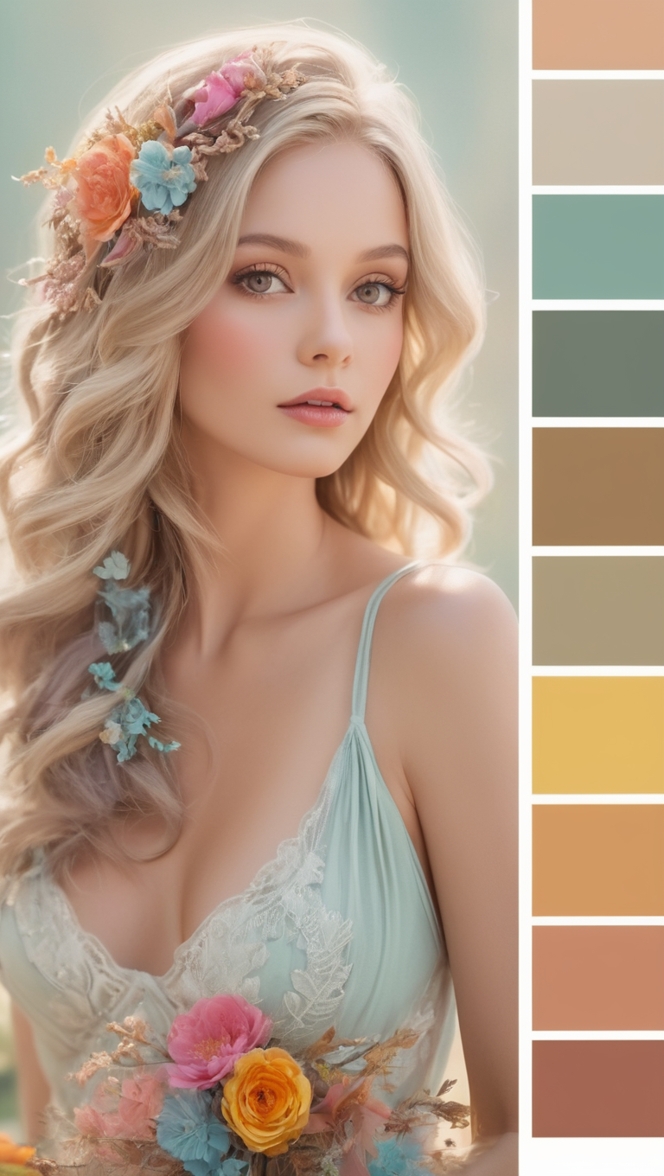
**12 Unique Ideas for Using the Color Palette in ibisPaint**
When it comes to using the color palette in ibisPaint, there are numerous techniques and strategies that can help you create stunning artwork. To truly make your colors pop and your designs stand out, consider incorporating these 12 unique ideas:
1. **Monochromatic Magic:** Explore the beauty of a monochromatic color palette by sticking to different shades of a single color. This can create a sophisticated and cohesive look in your artwork.
2. **Analogous Adventures:** Experiment with analogous colors, which are hues that are next to each other on the color wheel. This can result in a harmonious and visually pleasing composition.
3. **Complementary Contrasts:** Pairing complementary colors, which are opposite each other on the color wheel, can create dynamic and eye-catching contrasts in your artwork.
4. **Triadic Triumph:** Select three colors that are evenly spaced on the color wheel to create a triadic color scheme. This can add vibrancy and balance to your designs.
5. **Split-Complementary Splendor:** Choose a base color and then select the two colors adjacent to its complementary color on the color wheel. This can create a unique and balanced color palette.
6. **Tetradic Treats:** Experiment with a tetradic color scheme by selecting two pairs of complementary colors. This can result in a bold and lively color palette.
7. **Warm vs. Cool:** Play with the contrast between warm and cool colors to add depth and dimension to your artwork. Warm colors can create a sense of energy, while cool colors can evoke calmness.
8. **Pastel Perfection:** Embrace the soft and delicate hues of pastel colors for a gentle and soothing color palette. Pastels can add a touch of whimsy and elegance to your designs.
9. **Neon Dreams:** Inject a pop of neon colors into your artwork for a vibrant and electrifying look. Neon colors can create a bold statement and draw attention to specific elements in your design.
10. **Earthly Elegance:** Draw inspiration from nature and incorporate earthy tones such as greens, browns, and blues. Earthy colors can create a sense of grounding and connection to the natural world.
11. **Metallic Marvel:** Experiment with metallic colors like gold, silver, and bronze to add a touch of luxury and sophistication to your artwork. Metallic colors can create a shimmering and glamorous effect.
12. **Rainbow Radiance:** Embrace the entire spectrum of colors in a rainbow-inspired color palette. This can create a fun and playful look that is bursting with energy and positivity.
By incorporating these 12 unique ideas for using the color palette in ibisPaint, you can elevate your artwork and create visually stunning designs that truly stand out. Experiment with different color schemes, tones, and combinations to unleash your creativity and bring your artistic vision to life.