
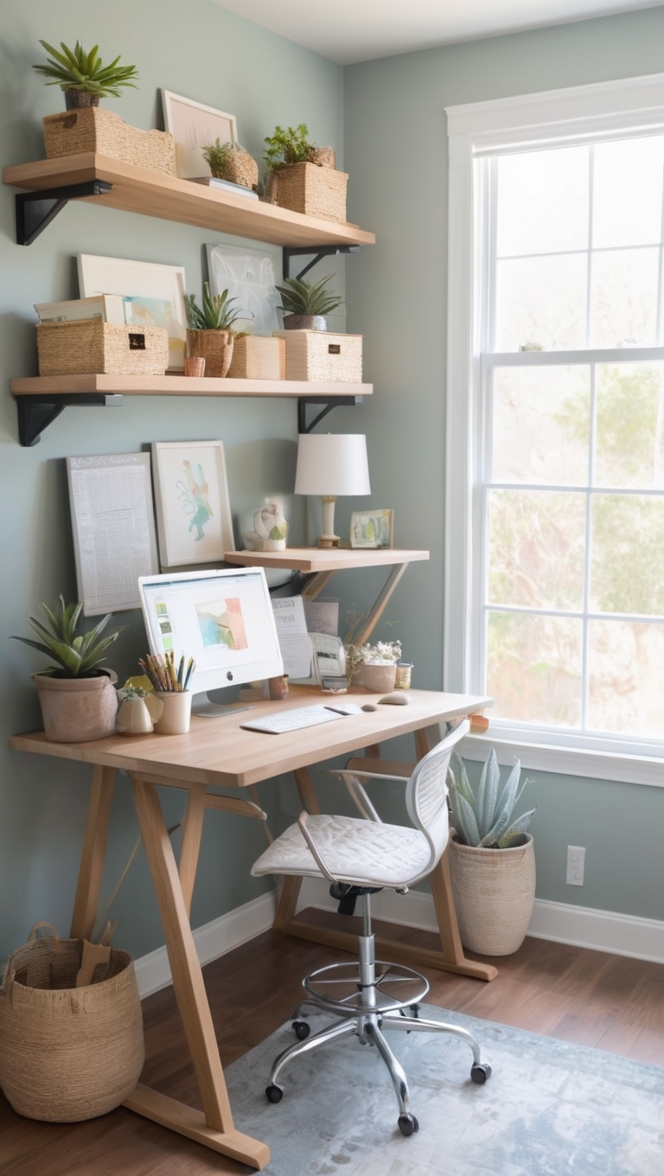
Boost productivity with an ergonomic standing desk for your home office setup, maximizing comfort and efficiency.
Disclosure: This post contains affiliate links. We may earn a commission at no extra cost to you.
yes, a standing desk in a home office setup can indeed boost productivity. Standing desks promote better posture, reduce the risk of certain health issues associated with prolonged sitting, and can increase energy levels throughout the day. To optimize your home office setup with a standing desk, consider adding a supportive anti-fatigue mat, incorporating ergonomic accessories like a monitor arm or keyboard tray, and setting reminders to alternate between sitting and standing. Furthermore, organizing your workspace with adequate storage solutions and proper cable management can help create a clutter-free environment conducive to focus and efficiency.
Can I boost productivity with a home office setup standing desk?
1. Is a standing desk really more productive than a traditional sitting desk?
As a homeowner who recently transitioned to a standing desk in my home office setup, I can attest to the potential productivity benefits. Standing while working has helped me stay more alert and focused throughout the day. I find that I am less prone to distractions and have improved my overall efficiency when compared to when I used a traditional sitting desk.
2. What are the potential health benefits of using a standing desk in a home office setup?
Using a standing desk has not only improved my productivity but also has had positive effects on my health. I have noticed a reduction in back pain and improved posture since I started using a standing desk. Standing while working has also helped me avoid the sedentary lifestyle that comes with prolonged sitting, leading to better overall well-being.
3. How does standing while working affect focus and concentration levels?
Standing while working has significantly improved my focus and concentration levels. I feel more engaged with my tasks and less likely to experience mid-day slumps. The physical act of standing keeps me energized and attentive, leading to increased productivity throughout the workday.
4. Are there any potential drawbacks or challenges to consider when using a standing desk at home?
While the benefits of using a standing desk are substantial, there are some drawbacks and challenges to consider. Standing for long periods can be tiring, especially if you are not used to it. It’s important to find a balance between standing and sitting to avoid fatigue and discomfort. Additionally, proper ergonomics and supportive footwear are essential to prevent any strain on your body.
5. Can a standing desk improve overall posture and reduce the risk of back pain?
Using a standing desk has definitely improved my posture and reduced my risk of back pain. Standing encourages a more natural alignment of the spine and engages core muscles, which helps alleviate strain on the back. I have noticed a significant improvement in my posture since making the switch to a standing desk in my home office.
6. What are some tips for transitioning from a sitting desk to a standing desk in a home office setup?
Transitioning from a sitting desk to a standing desk can be challenging at first. It’s important to start gradually and listen to your body. Begin by standing for short periods and gradually increase the duration as you build up your tolerance. Investing in anti-fatigue mats and supportive footwear can also help make the transition more comfortable.
7. Are there specific work tasks or activities that are better suited for a standing desk versus a sitting desk?
I have found that tasks that require creativity and brainstorming are better suited for a standing desk, as standing promotes better blood flow and cognitive function. On the other hand, tasks that require focused concentration, such as detailed data analysis, may be more comfortable to perform while sitting. It’s essential to listen to your body and switch between standing and sitting as needed to optimize productivity.

Boost Your Productivity with a Standing Desk in Your Home Office Setup
Are you looking to revamp your home office setup for better productivity? Consider incorporating a standing desk into your workspace. While it may seem unconventional, standing desks have been gaining popularity for their numerous health and productivity benefits. In this article, we will explore how a standing desk can enhance your work environment and provide tips on optimizing your home office setup for maximum efficiency.
1. Improve Your Posture
One of the key advantages of using a standing desk is that it promotes better posture. Sitting for extended periods can lead to slouching and back pain, whereas standing encourages a more upright position. By incorporating a standing desk into your home office setup, you can help alleviate strain on your back and shoulders, leading to improved comfort and focus during work hours.
2. Reduce Health Risks
Prolonged sitting has been linked to various health issues, including obesity, diabetes, and cardiovascular disease. By incorporating periods of standing into your work routine, you can reduce the risks associated with prolonged sitting. Standing desks can help lower blood sugar levels, improve circulation, and increase energy levels throughout the day.
3. Increase Energy Levels
Standing desks have been shown to boost energy levels and combat feelings of fatigue. By alternating between sitting and standing throughout the day, you can keep your body and mind engaged, leading to increased productivity and focus. Standing while working can also help prevent the afternoon slump that many people experience after long hours of sitting.
4. Enhance Ergonomics
To fully optimize your home office setup with a standing desk, consider incorporating ergonomic accessories. An anti-fatigue mat can provide cushioning and support for your feet while standing. A monitor arm or keyboard tray can help position your devices at the correct height, reducing strain on your neck and wrists. These accessories can help create a comfortable and productive workspace that supports your health and well-being.
5. Organize Your Workspace
In addition to incorporating a standing desk, organizing your workspace is essential for a productive home office setup. Invest in storage solutions such as shelves, drawers, or filing cabinets to keep your space clutter-free. Proper cable management can help prevent tangling cords and create a clean and tidy environment that enhances focus and efficiency.
6. Choose the Right Paint Colors
The color of your home office can also impact your productivity. Consider painting your workspace with calming and inspiring colors like soft blues, greens, or neutrals. Colors such as Sherwin Williams’ “Sea Salt” or Benjamin Moore’s “Revere Pewter” can create a soothing atmosphere that promotes concentration and creativity.
7. Personalize Your Space
Add personal touches to your home office setup to make it a comfortable and inspiring environment. Display photos, artwork, or plants that bring you joy and motivation. Incorporating elements that reflect your personality can help create a space where you feel energized and focused on your work tasks.
8. Implement Task Lighting
Proper lighting is essential for a productive workspace. Consider adding task lighting such as desk lamps or overhead lights to illuminate your work area. Good lighting can reduce eye strain, improve visibility, and enhance your overall comfort while working at your standing desk.
9. Create a Daily Routine
Establishing a daily routine can help you stay organized and focused while working from home. Set specific work hours, breaks, and tasks to create a structured schedule. Use a planner or digital calendar to track your goals and deadlines, and prioritize your most important tasks for increased productivity.
10. Incorporate Movement Breaks
While standing desks offer the flexibility to alternate between sitting and standing, it’s essential to incorporate movement breaks throughout the day. Take short walks, stretch, or perform quick exercises to keep your body active and prevent stiffness. Movement breaks can help refresh your mind and body, leading to improved focus and productivity.
11. Stay Hydrated and Nourished
Proper hydration and nutrition are essential for maintaining energy levels and focus during the workday. Keep a water bottle nearby to stay hydrated, and incorporate healthy snacks like nuts, fruits, or yogurt into your routine. Fueling your body with nutritious foods can help sustain your energy levels and mental clarity while working at your standing desk.
12. Practice Mindfulness and Stress Relief
Managing stress and practicing mindfulness can enhance your productivity and well-being. Take short breaks to practice deep breathing, meditation, or mindfulness exercises. Incorporate stress-relief techniques such as listening to music, aromatherapy, or journaling to help you stay calm and focused throughout the day.
By incorporating a standing desk into your home office setup and implementing these tips, you can create a productive and comfortable work environment that supports your health and well-being. Boost your productivity, improve your posture, and enhance your focus with a standing desk that transforms your home office into a space where you can thrive.