Curious about professional color palettes and branding color trends? Discover the secrets behind this appealing brand color scheme creation.
Disclosure: This post contains affiliate links. We may earn a commission at no extra cost to you.
What makes this brand color palette so appealing?
Brand color palettes are appealing because they create a cohesive and recognizable visual identity for a brand. They help establish brand personality and can evoke specific emotions or associations. As a homeowner, choosing a color palette for your home decor can also create a cohesive and harmonious look throughout your living spaces. Consider the atmosphere you want to create – whether it’s calming, energizing, or sophisticated. Using a consistent color palette can make decorating decisions easier and ensure your home has a unified and stylish feel.
What makes this brand color palette so appealing?
In the world of branding, color plays a crucial role in shaping consumer perceptions and creating a strong brand identity. The color palette chosen by a brand can evoke specific emotions, convey messages, and differentiate it from competitors. In this article, we will explore the reasons why a brand’s color palette can be so appealing and how it influences consumer behavior.
1. How do colors influence consumer perceptions of a brand?
Colors have the power to evoke certain emotions and associations in consumers’ minds. For example, warm colors like red and orange are often associated with energy, passion, and excitement, while cool colors like blue and green convey calmness, trust, and reliability. When a brand uses specific colors in its logo and marketing materials, it can influence how consumers perceive the brand’s personality, values, and offerings.
As a homeowner, think about how the colors in your home decor reflect your personality and style. Do you prefer soothing pastel shades for a relaxing atmosphere, or bold, vibrant colors for a more energetic vibe? Just like in branding, the colors you choose for your home can create a certain ambiance and make a statement about who you are.
2. What emotions do different colors evoke in the context of branding?
Each color has its own psychological impact on consumers. For example, yellow is often associated with happiness and optimism, making it a good choice for brands that want to convey a sense of positivity. On the other hand, black is often used to symbolize sophistication and luxury, appealing to brands in the high-end market.
As a homeowner, consider how the colors in your surroundings make you feel. Do you feel more relaxed in a room painted in soothing blues and greens, or more invigorated in a space with vibrant red accents? The colors you surround yourself with can have a significant impact on your mood and overall well-being.
3. How can a brand effectively use color to stand out in a competitive market?
In a crowded marketplace, it’s essential for brands to differentiate themselves from competitors. One way to do this is through a unique and memorable color palette. By choosing colors that are distinct and relevant to their brand identity, companies can create a strong visual identity that sets them apart from the competition.
Similarly, as a homeowner, you can use color to make your home stand out and reflect your personal style. Whether it’s through a bold accent wall, colorful furniture pieces, or decorative accessories, incorporating unique colors can help your home make a statement and stand out in a sea of neutral interiors.
4. What role does color psychology play in creating a memorable brand identity?
Color psychology is the study of how colors affect human behavior and emotions. By understanding the psychological impact of different colors, brands can strategically choose colors that align with their brand values and resonate with their target audience. This can help create a strong and memorable brand identity that leaves a lasting impression on consumers.
As a homeowner, you can apply color psychology principles to create a harmonious and inviting living space. By choosing colors that promote relaxation in the bedroom, productivity in the home office, and sociability in the living room, you can design a home that not only looks good but also supports your well-being.
5. How can a brand’s color palette reflect its values and mission?
A brand’s color palette is an essential component of its visual identity and can communicate important messages about its values and mission. For example, eco-friendly brands often use shades of green to symbolize sustainability and environmental consciousness, while tech companies may opt for sleek, modern colors like silver and blue to convey innovation and progress.
As a homeowner, you can use color to reflect your own values and beliefs. If you’re passionate about nature and the environment, you might choose earthy tones and natural materials for your decor. If you value creativity and individuality, you might experiment with bold and eclectic color combinations to express your personality.
6. What impact does color consistency across different brand touchpoints have on brand recognition?
Consistency is key when it comes to branding, and this extends to the use of color across different brand touchpoints. By maintaining a consistent color palette in their logo, website, packaging, and marketing materials, brands can strengthen brand recognition and create a cohesive brand experience for consumers. This helps build trust and loyalty with customers over time.
Similarly, as a homeowner, you can create a sense of cohesion and flow in your home by using a consistent color scheme throughout different rooms. By repeating certain colors or color combinations in various elements like furniture, accessories, and wall paint, you can tie the entire space together and create a harmonious look that feels intentional and well-designed.
7. How does cultural background influence the interpretation of a brand’s color choices?
Cultural background plays a significant role in how colors are perceived and interpreted. Certain colors may have different meanings and associations in various cultures, so brands must consider cultural context when choosing their color palettes. What may be considered lucky or auspicious in one culture could be seen as negative or inappropriate in another.
As a homeowner with a multicultural background, you may have a unique perspective on color and its significance. You might draw inspiration from traditional colors and patterns from your heritage to infuse your home with cultural richness and personal meaning. By incorporating elements of your cultural background into your decor, you can create a home that reflects your identity and values.
In conclusion, the color palette chosen by a brand is a powerful tool that can shape consumer perceptions, evoke emotions, and communicate important messages. By understanding the psychological impact of colors and using them strategically, brands can create a strong visual identity that resonates with their target audience. Similarly, as a homeowner, you can use color to express your personality, create a certain ambiance, and make your home a reflection of who you are.
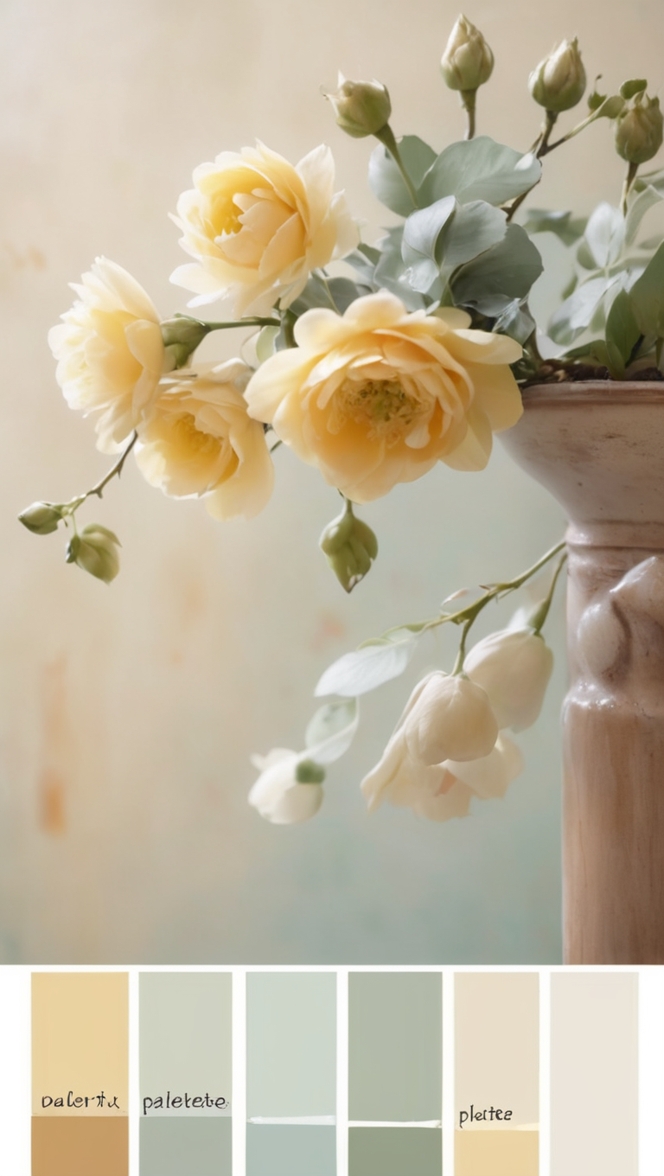
Unveiling the Magic: 12 Unique Ideas for Creating a Captivating Brand Color Palette
When it comes to crafting a brand color palette that truly stands out, the choice of colors plays a pivotal role. Drawing inspiration from renowned paint colors like Sherwin Williams (SW) and Benjamin Moore (BM), we delve into 12 innovative ideas that will help you create a mesmerizing and impactful color scheme for your brand. Let’s explore the art of color selection and how it can elevate your brand’s visual identity:
1. Serene Seaside Escape (SW Sea Salt)
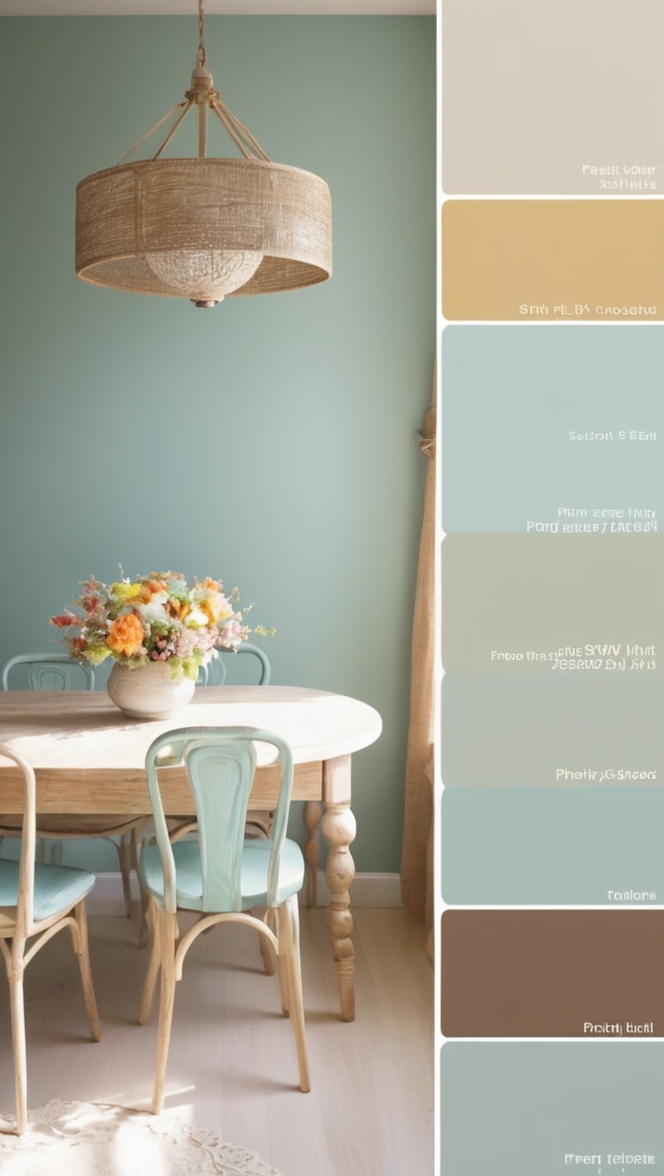
Capture the tranquil essence of the ocean with a palette inspired by SW Sea Salt. Soft blues, greens, and neutral tones evoke a sense of calm and serenity, perfect for brands aiming to create a soothing and peaceful atmosphere.
2. Bold and Vibrant (BM Caliente)
Make a statement with a palette inspired by the fiery reds of BM Caliente. Bold, passionate hues combined with complementary neutrals create a striking and energetic color scheme that demands attention and exudes confidence.
3. Earthy Elegance (SW Agreeable Gray)
Embrace the timeless beauty of nature with a palette inspired by SW Agreeable Gray. Warm grays, soft taupes, and earthy tones create a sophisticated and versatile color scheme that exudes understated elegance and refinement.
4. Playful Pastels (BM Pale Oak)
Infuse a sense of whimsy and charm into your brand with a palette inspired by BM Pale Oak. Soft pastel hues like blush pink, mint green, and lavender create a delicate and playful color scheme that appeals to a youthful and creative audience.
5. Modern Minimalism (SW Pure White)
Embrace the clean and contemporary aesthetic of minimalism with a palette inspired by SW Pure White. Crisp whites, cool greys, and subtle blacks create a timeless and sophisticated color scheme that exudes simplicity and clarity.
6. Regal Opulence (BM Hale Navy)
Channel a sense of luxury and grandeur with a palette inspired by BM Hale Navy. Deep blues, rich purples, and opulent golds create a regal and majestic color scheme that conveys sophistication and refinement.
7. Fresh and Invigorating (SW Rainwashed)
Revitalize your brand with a palette inspired by SW Rainwashed. Cool greens, soft blues, and light neutrals create a fresh and invigorating color scheme that evokes a sense of renewal and vitality.
8. Cozy Comfort (BM Revere Pewter)
Create a warm and inviting ambiance with a palette inspired by BM Revere Pewter. Soft greiges, warm taupes, and cozy neutrals create a comforting and welcoming color scheme that exudes a sense of home and security.
9. Timeless Sophistication (SW Tricorn Black)
Embrace classic elegance with a palette inspired by SW Tricorn Black. Deep blacks, rich charcoals, and crisp whites create a timeless and sophisticated color scheme that exudes refinement and luxury.
10. Sunny and Bright (BM Yellow Highlighter)
Infuse your brand with a burst of energy and optimism with a palette inspired by BM Yellow Highlighter. Vibrant yellows, sunny oranges, and cheerful neutrals create a bright and lively color scheme that radiates warmth and positivity.
11. Rustic Charm (SW Urbane Bronze)
Capture the rustic allure of the countryside with a palette inspired by SW Urbane Bronze. Rich browns, warm coppers, and earthy greens create a cozy and inviting color scheme that exudes warmth and comfort.
12. Dreamy Pastels (BM Soft Chinchilla)
Transport your audience to a world of soft sophistication with a palette inspired by BM Soft Chinchilla. Delicate pastels, muted grays, and subtle taupes create a dreamy and elegant color scheme that appeals to a refined and artistic sensibility.
By incorporating these unique and captivating color ideas into your brand palette, you can create a visual identity that resonates with your audience and leaves a lasting impression. Remember, the power of color is undeniable, so choose wisely and let your brand’s personality shine through!