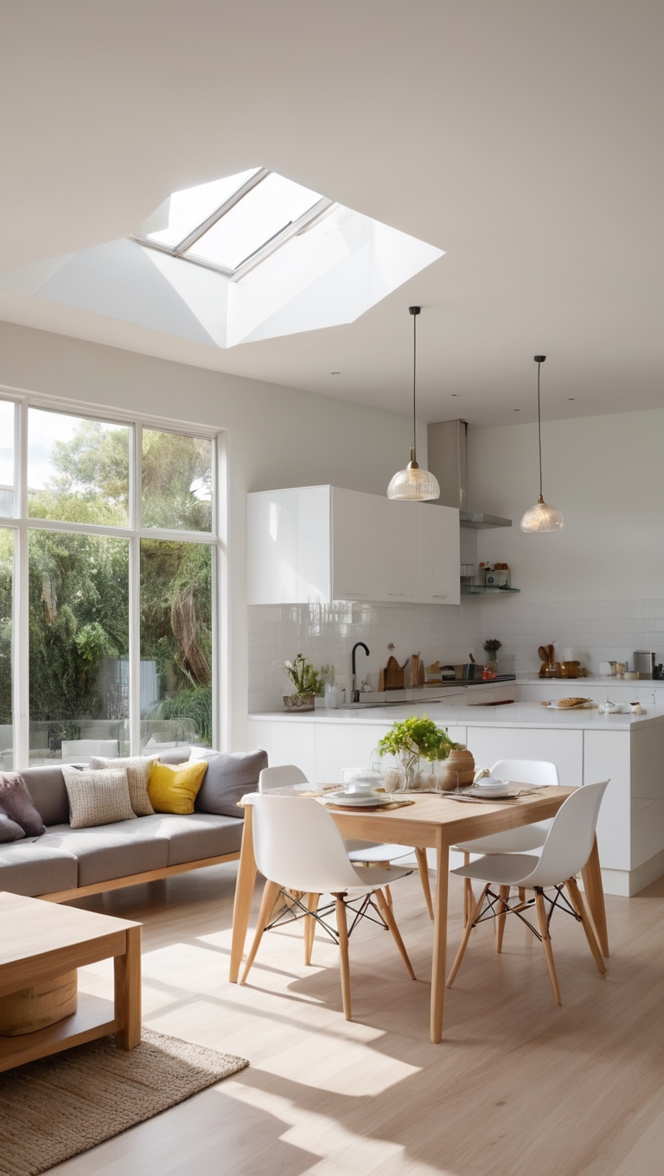
Looking to optimize kitchen organization and pantry storage solutions? Dive into our curated tips and products to enhance efficiency.
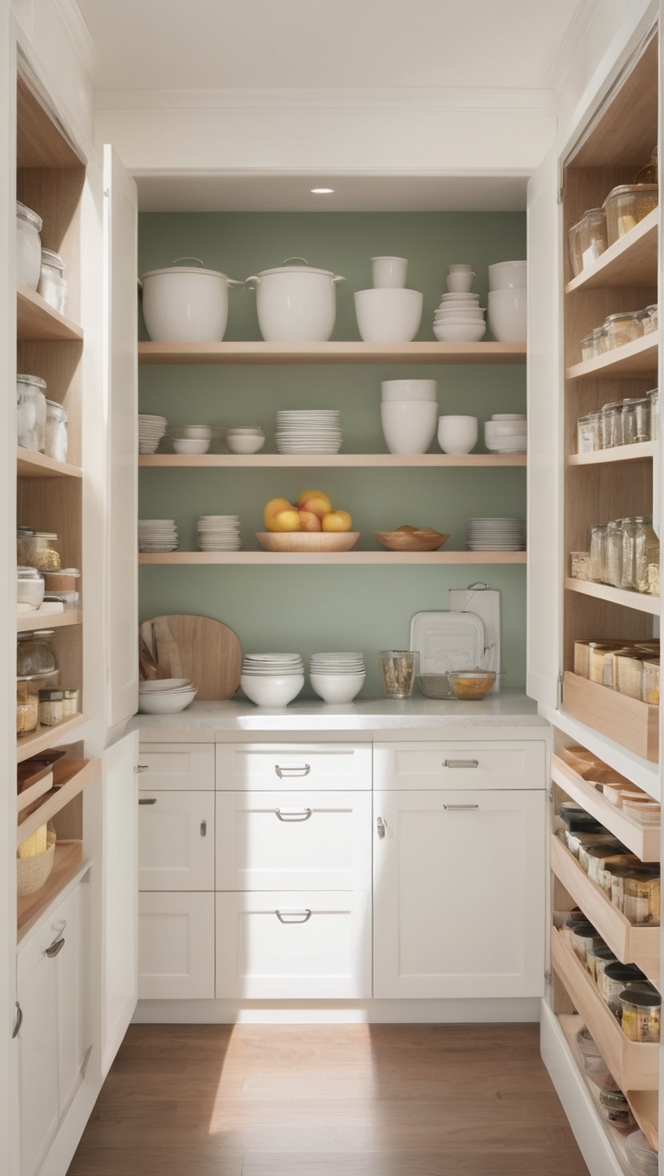
Disclosure: This post contains affiliate links. We may earn a commission at no extra cost to you.
“`html
How can I optimize kitchen organization pantry for efficiency?
“`
16px font size bold: kitchen organization pantry
As a homeowner looking to optimize your kitchen organization pantry, start by decluttering and organizing items based on frequency of use. Use storage containers and labels to keep everything in its place. Consider implementing a rotating system to ensure items are used before expiration. Adding shelves or baskets can help maximize space. Regularly review and update your organization system to maintain efficiency. Batch cooking and meal planning can also contribute to a more organized pantry.
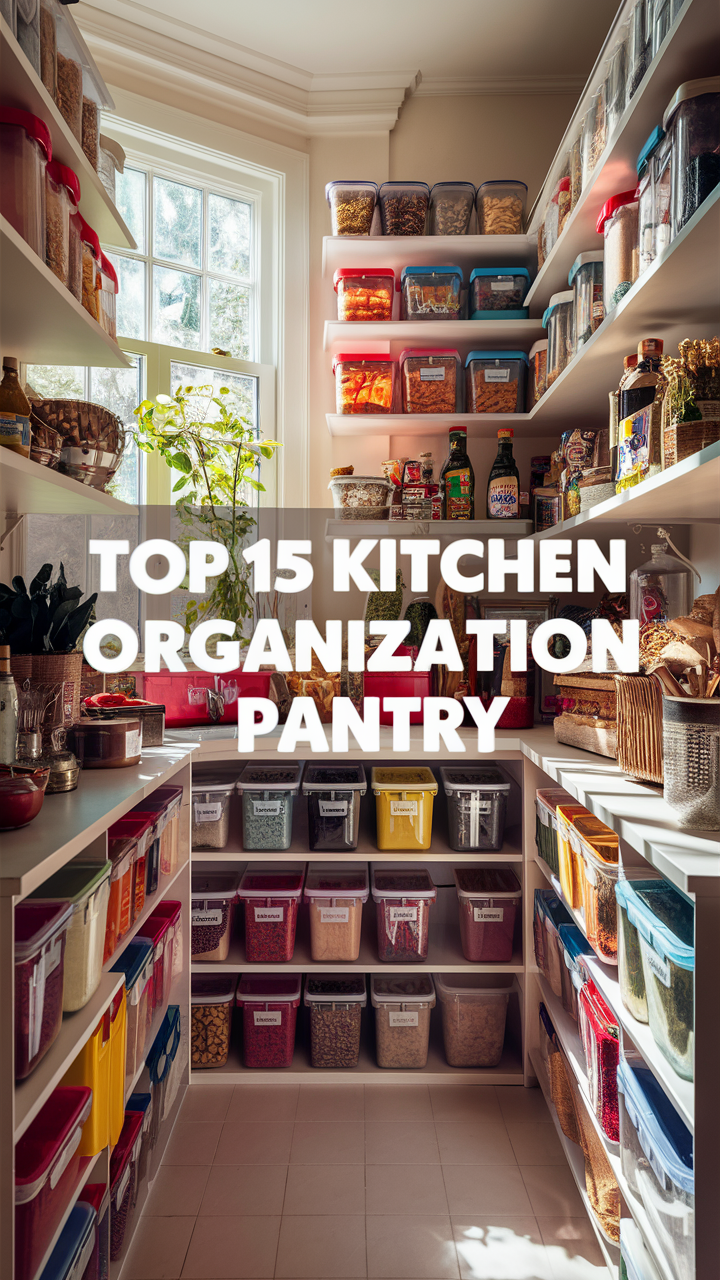
How can I optimize kitchen organization pantry for efficiency?
1. What are the key factors to consider when organizing a kitchen pantry for efficiency?
As a homeowner who loves to cook and entertain, I have learned that the key factors to consider when organizing a kitchen pantry for efficiency are accessibility, visibility, and functionality. It is essential to arrange items in a way that makes it easy to find what you need quickly. Grouping similar items together and using clear containers for storage can help maintain visibility and prevent items from getting lost in the back of the pantry.
2. How can I maximize the use of space in my kitchen pantry?
One of the best ways to maximize space in a kitchen pantry is to utilize vertical storage. Installing shelves that go all the way up to the ceiling and using stackable bins or baskets can help make the most of limited space. Additionally, using door organizers or hanging racks for spices, utensils, or small items can free up shelf space for larger items.
3. What are some creative storage solutions for organizing pantry items?
One creative storage solution I have found useful is using lazy Susans or turntables for storing spices, condiments, or canned goods. This allows easy access to items without having to dig through shelves. Drawer organizers or pull-out baskets can also help keep small items organized and easily accessible.
4. How can labeling and categorizing pantry items contribute to efficiency?
Labeling and categorizing pantry items can significantly contribute to efficiency by making it easier to locate specific items quickly. Using clear labels on containers or bins and grouping similar items together can save time and prevent duplicate purchases. Creating categories such as baking supplies, snacks, or canned goods can help maintain order and streamline the cooking and meal preparation process.
5. What role does proper maintenance and decluttering play in optimizing pantry organization?
Proper maintenance and decluttering are essential aspects of optimizing pantry organization. Regularly checking expiration dates, removing expired or unused items, and reorganizing shelves can help prevent clutter and ensure that the pantry remains functional and efficient. It is also important to clean and wipe down shelves periodically to maintain a clean and organized space.
6. How can I ensure easy access to frequently used items in the pantry?
To ensure easy access to frequently used items in the pantry, I recommend keeping them at eye level or within reach on lower shelves. Using clear containers or bins for these items can help identify them quickly. It is also helpful to create designated areas for commonly used items such as snacks, spices, or cooking oils to streamline the cooking process.
7. Are there any technology or tools that can help streamline pantry organization processes for efficiency?
There are several technology and tools available that can help streamline pantry organization processes for efficiency. Smart storage solutions such as pantry organizers with sensors or automated inventory systems can help keep track of items and alert you when supplies are running low. Additionally, apps or software for meal planning, grocery lists, and recipe organization can help simplify the cooking and shopping process.
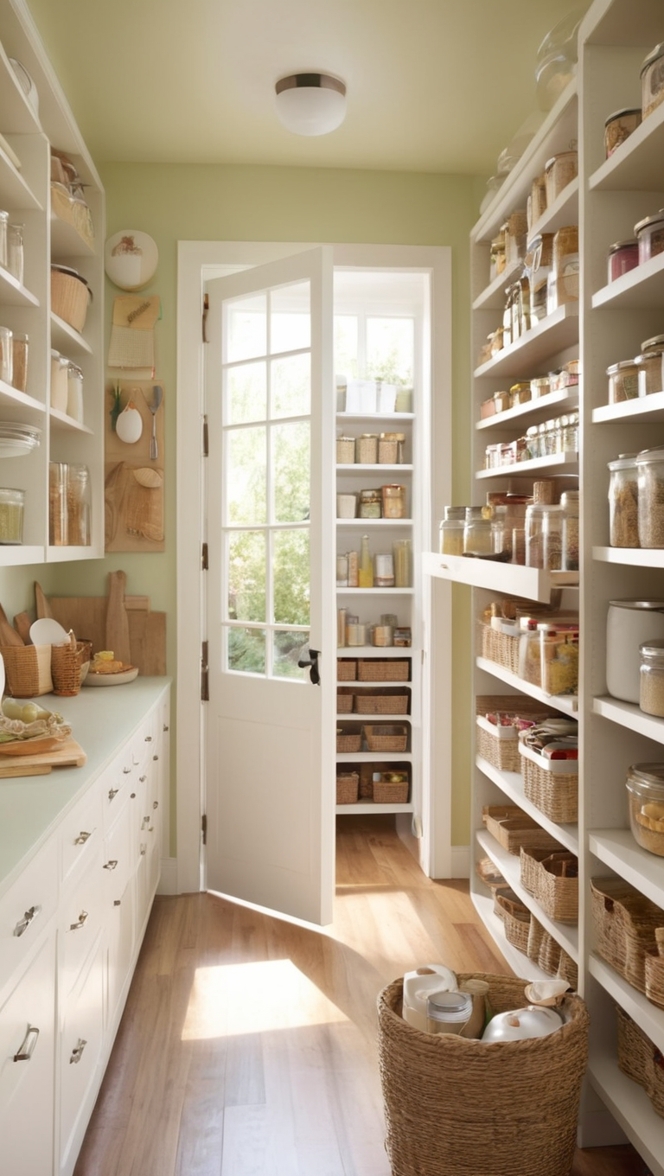
“`html
1. Implement a color-coded system
“`
When organizing your kitchen pantry, consider using a color-coded system to categorize items. Assign a specific color to different types of items or food groups. For example, use green for vegetables, red for canned goods, and blue for snacks. This visual cue can make it easier to locate items quickly and maintain organization.
“`html
2. Utilize vertical space with stackable shelves
“`
Maximize the storage space in your pantry by using stackable shelves. These shelves allow you to utilize vertical space and create additional storage levels. Stackable shelves are great for storing canned goods, spices, and other small items. They help prevent clutter and make it easier to see and access items in the pantry.
“`html
3. Create a designated meal prep area
“`
Set up a designated area in your pantry for meal prep activities. This can include a countertop space for chopping vegetables, mixing ingredients, or assembling meals. Having a dedicated meal prep area can streamline your cooking process and make it more efficient. Keep essential tools and utensils within reach to make meal preparation a breeze.
“`html
4. Label everything for easy identification
“`
Labeling containers, jars, and baskets in your pantry can help you quickly identify and locate items. Use adhesive labels or chalkboard labels to mark the contents of each container. This makes it easy to find what you need and ensures that items are put back in their designated spots. Labeling also helps family members or housemates maintain the organization system.
“`html
5. Install pull-out drawers for easy access
“`
Consider installing pull-out drawers in your pantry for easy access to items stored at the back of shelves. These drawers allow you to reach items without having to rummage through the entire pantry. Pull-out drawers can be used for storing pots and pans, small appliances, or bulky items that are difficult to lift or move.
“`html
6. Use clear storage containers
“`
Opt for clear storage containers to store items like grains, pasta, and snacks. Clear containers make it easy to see the contents at a glance and help you monitor the quantity of each item. Choose airtight containers to keep food fresh longer and prevent pests from getting into your pantry. Clear containers also give your pantry a neat and uniform appearance.
“`html
7. Incorporate a lazy Susan for corner storage
“`
Make use of corner space in your pantry by adding a lazy Susan turntable. This rotating platform allows you to access items stored in the back of corner shelves with ease. Lazy Susans are ideal for storing spices, condiments, or small jars that tend to get lost in the depths of the pantry. They help maximize storage space and improve accessibility.
“`html
8. Install adjustable shelving for flexibility
“`
Opt for adjustable shelving in your pantry to accommodate items of various sizes and heights. Adjustable shelves can be moved up or down to create custom storage configurations based on your needs. This flexibility allows you to optimize the space in your pantry and make adjustments as your storage requirements change over time.
“`html
9. Create a snack station for easy access
“`
Designate a specific area in your pantry as a snack station for quick and easy access to grab-and-go snacks. Organize snacks like granola bars, nuts, or dried fruit in this designated space. Having a snack station helps prevent rummaging through the pantry and promotes healthier snack choices. Keep the snack station stocked and replenish it regularly.
“`html
10. Implement a first in, first out system
“`
Adopt a first in, first out (FIFO) system for organizing perishable items in your pantry. Arrange food items according to their expiration dates, with the oldest items placed in front for easy access. This system helps prevent food waste by ensuring that items are used before they expire. Regularly check and rotate items to maintain freshness and minimize waste.