Curious about designing a chic contemporary minimalist living room? Get inspired by sleek decor ideas for a stylish modern home.
Disclosure: This post contains affiliate links. We may earn a commission at no extra cost to you.
How can I design a contemporary minimalist living room?
contemporary minimalist living room
Creating a contemporary minimalist living room involves focusing on clean lines, neutral colors, and minimal clutter. Opt for sleek furniture pieces, use a limited color palette, and incorporate functional storage solutions to maintain the minimalist look. Consider adding statement artwork or a single bold accent piece to add interest to the space. Regular decluttering is essential to keep the room organized and maintain the minimalist aesthetic.
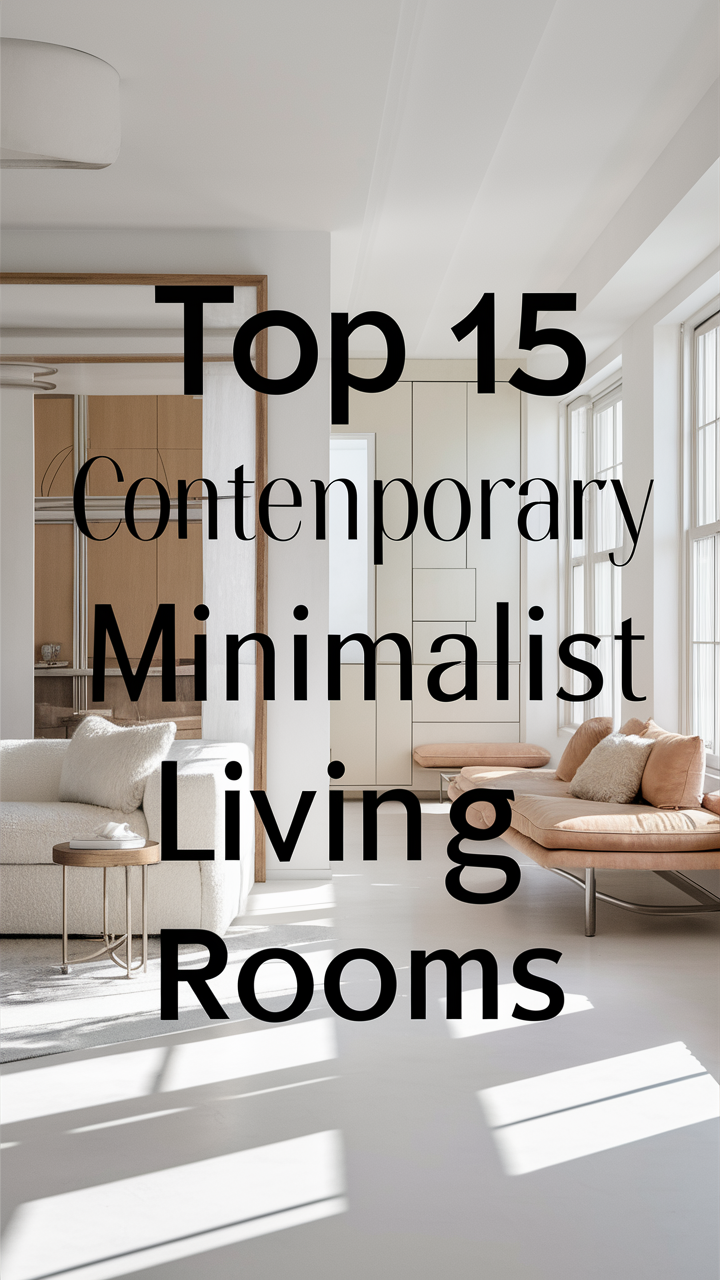
How can I design a contemporary minimalist living room??
1. What are the key principles of contemporary minimalist design?
As a homeowner looking to create a contemporary minimalist living room, it’s important to understand the key principles of this design style. Minimalism is all about simplicity, clean lines, and a clutter-free environment. To achieve this, focus on decluttering your space and only keeping essential items that serve a purpose. Opt for furniture with sleek and simple designs, and avoid overly ornate or decorative pieces. Embrace negative space to create a sense of openness and tranquility in the room.
2. How can I choose the right color palette for a contemporary minimalist living room?
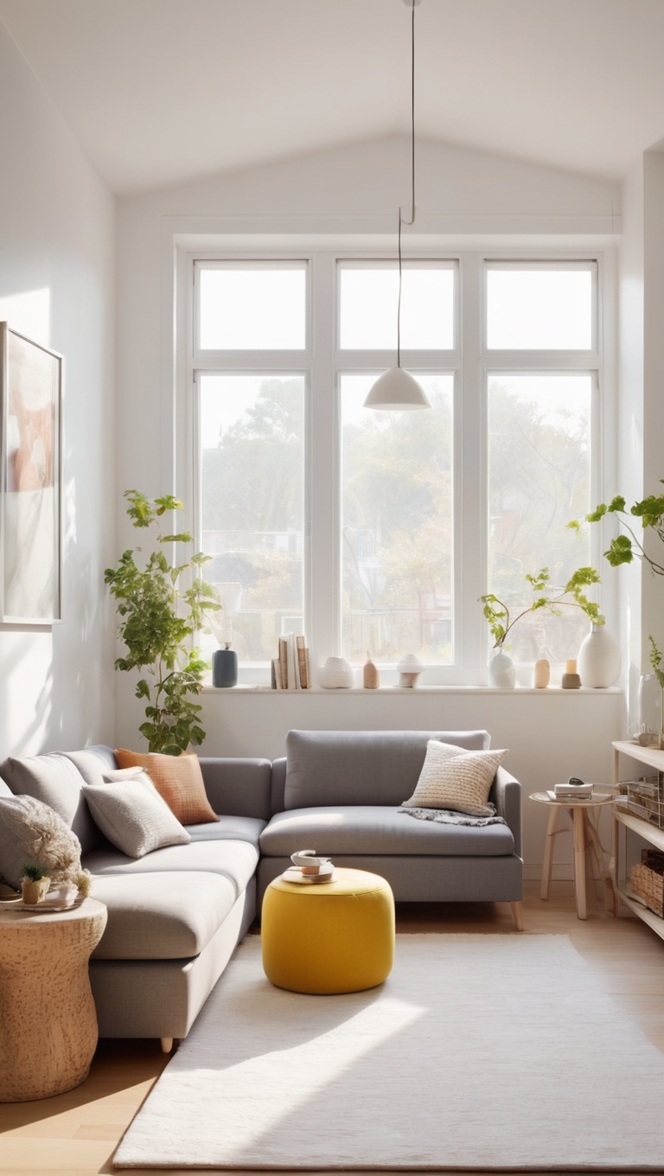
When selecting a color palette for your minimalist living room, stick to neutral tones such as whites, grays, and beiges. These hues create a calming and cohesive atmosphere, allowing the focus to remain on the simplicity of the design. Consider adding a pop of color through accent pieces like throw pillows or artwork, but keep it minimal to maintain the overall minimalist aesthetic.
3. What furniture pieces are essential for a minimalist living room?
In a minimalist living room, less is more when it comes to furniture. Opt for pieces that are functional and have clean lines. A sleek sofa, a simple coffee table, and a minimalist bookshelf are all essential elements for a contemporary minimalist design. Avoid cluttering the space with unnecessary furniture and instead focus on creating a sense of openness and flow.
4. How can I incorporate natural elements into a minimalist design?
Adding natural elements such as wood, plants, or stone can bring warmth and texture to a minimalist living room. Consider incorporating a wooden coffee table, a few potted plants, or a stone accent wall to add visual interest and a touch of nature to the space. These elements can help create a balanced and inviting atmosphere in your contemporary minimalist living room.
5. What lighting options work best in a contemporary minimalist living room?
In a minimalist living room, lighting plays a crucial role in setting the mood and enhancing the overall design. Opt for simple and modern lighting fixtures such as pendant lights, floor lamps, or recessed lighting. Natural light is also key in a minimalist space, so make sure to maximize the amount of natural light coming in through windows and skylights. Consider adding sheer curtains or blinds to control the amount of light and maintain privacy.
6. How can I create a sense of spaciousness in a minimalist living room?
To create a sense of spaciousness in a minimalist living room, focus on decluttering and maximizing the use of space. Choose furniture that is proportionate to the size of the room and avoid overcrowding the space. Use mirrors strategically to reflect light and create the illusion of a larger room. Keep surfaces clear and organized to maintain a sense of openness and tranquility in the space.
7. What are some common mistakes to avoid when designing a contemporary minimalist living room?
When designing a contemporary minimalist living room, it’s important to avoid common mistakes that can detract from the overall aesthetic. Some pitfalls to avoid include cluttering the space with unnecessary decor, choosing overly ornate furniture pieces, and neglecting the importance of negative space. Additionally, be mindful of the color palette and lighting choices to ensure they complement the minimalist design. By steering clear of these mistakes, you can create a cohesive and harmonious contemporary minimalist living room that exudes simplicity and sophistication.
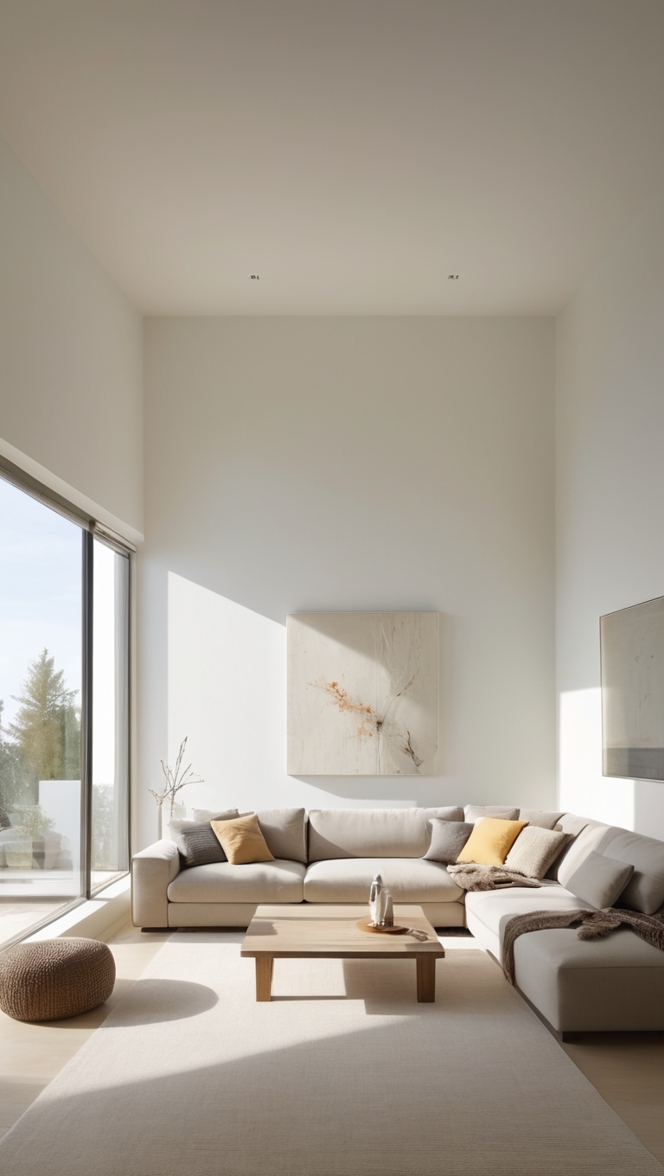
When designing a contemporary minimalist living room, it’s important to focus on clean lines, neutral colors, and minimal clutter. Here are 12 unique ideas to help you create the perfect contemporary minimalist living room:
1. Choose a Neutral Color Palette: Stick to a palette of whites, grays, and beige for a clean and cohesive look.
2. Opt for Sleek Furniture: Select furniture with simple, clean lines and minimal embellishments to maintain a minimalist aesthetic.
3. Incorporate Natural Materials: Add warmth and texture to the room with natural materials like wood, stone, or metal.
4. Use Functional Storage Solutions: Keep clutter at bay by incorporating storage solutions like built-in shelves or hidden storage compartments.
5. Focus on Lighting: Use a combination of natural and artificial lighting to create a bright and inviting space.
6. Add Greenery: Bring in plants to add a touch of nature and freshness to the room.
7. Choose Statement Artwork: Select a piece of artwork or a sculpture that serves as a focal point in the room.
8. Incorporate Textures: Mix and match different textures like wool, leather, and velvet to add depth and interest to the space.
9. Keep It Simple: Avoid overdecorating or cluttering the space with unnecessary items.
10. Select Minimalist Decor: Choose decor items that serve a purpose and complement the overall design of the room.
11. Embrace Negative Space: Allow for breathing room in the design by leaving some areas of the room empty.
12. Regular Decluttering: Stay on top of clutter by regularly decluttering and organizing the space.
By following these ideas, you can design a contemporary minimalist living room that is both stylish and functional. Remember to focus on clean lines, neutral colors, and minimal clutter to achieve the minimalist aesthetic.