
Curious about remote medical coding? Learn how to optimize your home office setup for maximum efficiency with medical coding software!
Disclosure: This post contains affiliate links. We may earn a commission at no extra cost to you.
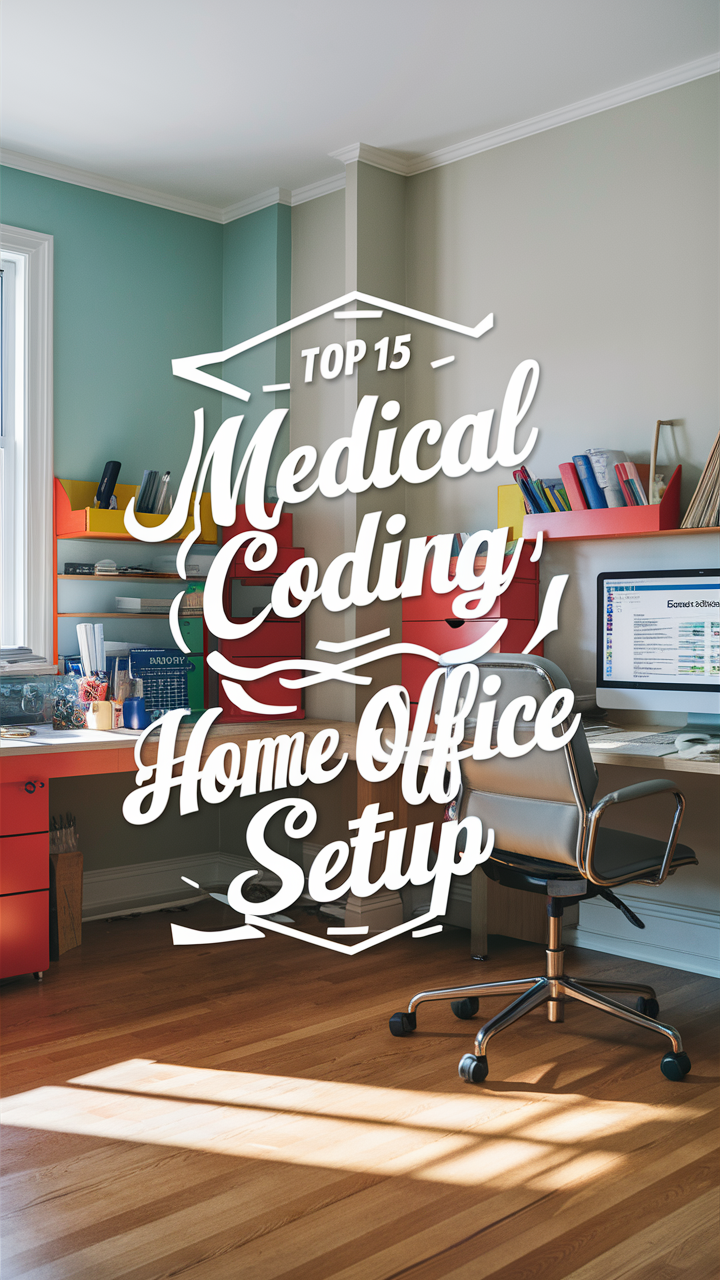
Medical coding home office setup includes a comfortable chair, ergonomic desk, dual monitors, a reliable computer, and proper lighting. Organize your work area with storage for supplies, reference materials, and personal items. Use cable management solutions to reduce clutter. Implement a filing system for easy access to patient records and coding manuals. Consider investing in a standing desk for better posture and overall health. Regularly clean and declutter your workspace to maintain efficiency.
Ensure your setup is tailored to your specific needs and preferences, keeping in mind the importance of proper ergonomics and organization.
How can I optimize my medical coding home office setup for maximum efficiency?
1. What equipment do I need for a medical coding home office setup?
As a medical coding professional working from home, having the right equipment is crucial for efficiency. I recommend investing in a reliable computer or laptop with a comfortable keyboard and mouse. A dual monitor setup can also be beneficial for multitasking and referencing medical codes. Additionally, a high-speed internet connection is essential for accessing online resources and communicating with colleagues.
2. How should I organize my workspace to enhance productivity?
Organizing your home office space is key to maximizing productivity. I suggest keeping your workspace clutter-free and well-organized. Use storage solutions like shelves, drawers, and filing cabinets to keep important documents and reference materials within easy reach. Personalizing your workspace with motivational decor can also help create a positive work environment.
3. What software is essential for efficient medical coding from home?
When it comes to software for medical coding, investing in a reliable coding software program is essential. This software can streamline the coding process, provide access to code databases, and help ensure accuracy in code assignments. Additionally, productivity tools like task management software and time tracking apps can help you stay organized and focused throughout your workday.
4. How can I ensure ergonomic comfort in my home office setup?
Ergonomic comfort is crucial for maintaining your health and productivity while working from home. I recommend investing in a comfortable office chair with proper lumbar support and adjustable height. Position your computer monitor at eye level to reduce strain on your neck and eyes. Take regular breaks to stretch and move around to avoid stiffness and fatigue.
5. Are there any specific security measures I should implement for medical coding work?
Security is paramount when dealing with sensitive medical information. Implementing encryption software to protect patient data, using secure networks, and setting up firewalls can help safeguard your work environment. Regularly updating your software and maintaining strong passwords are additional measures you can take to enhance security.
6. What strategies can I use to minimize distractions and stay focused while working from home?
To minimize distractions while working from home, create a dedicated workspace free from household noise and interruptions. Establish a work schedule and communicate boundaries with family members to ensure uninterrupted work time. Utilize noise-canceling headphones, set specific work goals, and take short breaks to maintain focus and productivity throughout the day.
7. How can I establish a routine that maximizes efficiency in my medical coding tasks?
Creating a routine can help you stay organized and efficient in your medical coding work. Start your day with a clear plan of tasks to accomplish, prioritize your workload, and set realistic goals for each day. Take regular breaks to recharge and stay energized. Review your coding work regularly to identify areas for improvement and adjust your routine as needed to optimize efficiency.

Medical Coding Home Office Setup: 12 Unique Ideas for a Productive Workspace
Setting up a home office for medical coding requires careful consideration of various factors to ensure productivity and efficiency. In this article, we will explore 12 unique ideas to help you create a comfortable and organized workspace tailored to your specific needs and preferences.
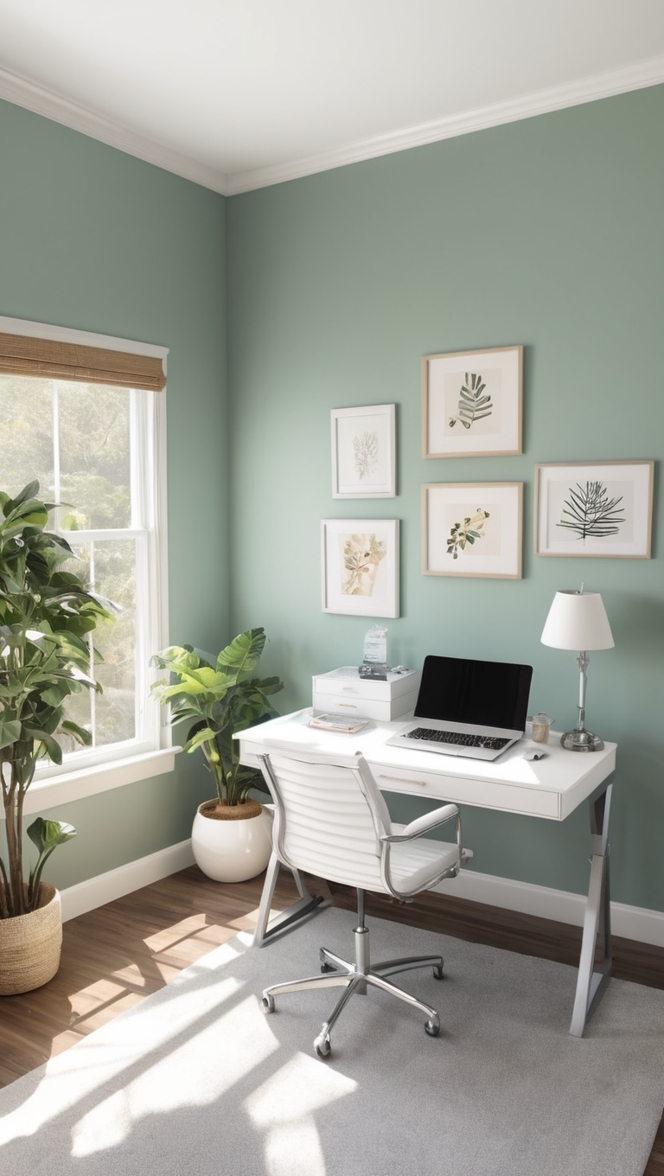
1. Choose the Right Paint Color: When designing your home office, consider using calming and soothing paint colors such as Sherwin Williams (SW) or Benjamin Moore (BM) paints. Colors like soft blues, greens, or neutrals can create a conducive environment for focus and concentration.
2. Invest in Quality Furniture: A comfortable chair and ergonomic desk are essential for long hours of coding. Look for adjustable options that provide proper support for your back, neck, and arms to prevent strain and fatigue.
3. Dual Monitors Setup: Enhance your productivity by using dual monitors to view multiple screens simultaneously. This setup allows you to compare patient records, coding manuals, and reference materials more efficiently.
4. Reliable Computer System: Ensure your computer is up-to-date and equipped with the necessary software for coding tasks. Consider investing in a reliable and fast computer to avoid delays and technical issues.
5. Proper Lighting: Adequate lighting is crucial for reducing eye strain and creating a well-lit workspace. Use a combination of natural and artificial light sources to eliminate glare and shadows.
6. Organize Your Work Area: Utilize storage solutions such as shelves, drawers, and bins to keep supplies, reference materials, and personal items neatly organized. A clutter-free workspace can enhance your focus and productivity.
7. Cable Management Solutions: Keep your workspace tidy and safe by using cable management solutions to hide cords and reduce clutter. This not only improves the aesthetics of your office but also prevents tripping hazards.
8. Filing System: Implement a filing system to organize patient records, coding manuals, and other important documents for easy access. Use labels and categories to streamline your workflow and quickly locate information when needed.
9. Standing Desk Option: Consider investing in a standing desk to alternate between sitting and standing positions throughout the day. This can improve your posture, reduce back pain, and boost overall health and productivity.
10. Regular Cleaning Routine: Maintain a clean and decluttered workspace by establishing a regular cleaning routine. Wipe down surfaces, organize papers, and dispose of unnecessary items to create a fresh and inviting work environment.
11. Personalize Your Workspace: Add personal touches such as photos, artwork, or plants to make your home office feel more inviting and inspiring. Create a space that reflects your personality and motivates you to work efficiently.
12. Prioritize Ergonomics: Pay attention to ergonomics when setting up your workspace to prevent musculoskeletal problems. Adjust your chair height, monitor position, and keyboard placement to ensure proper alignment and comfort.
By incorporating these 12 unique ideas into your medical coding home office setup, you can create a productive and comfortable workspace that supports your workflow and enhances your overall well-being. Remember to tailor your setup to your specific needs and preferences while prioritizing proper ergonomics and organization. With the right tools and strategies in place, you can optimize your coding efficiency and excel in your work-from-home environment.